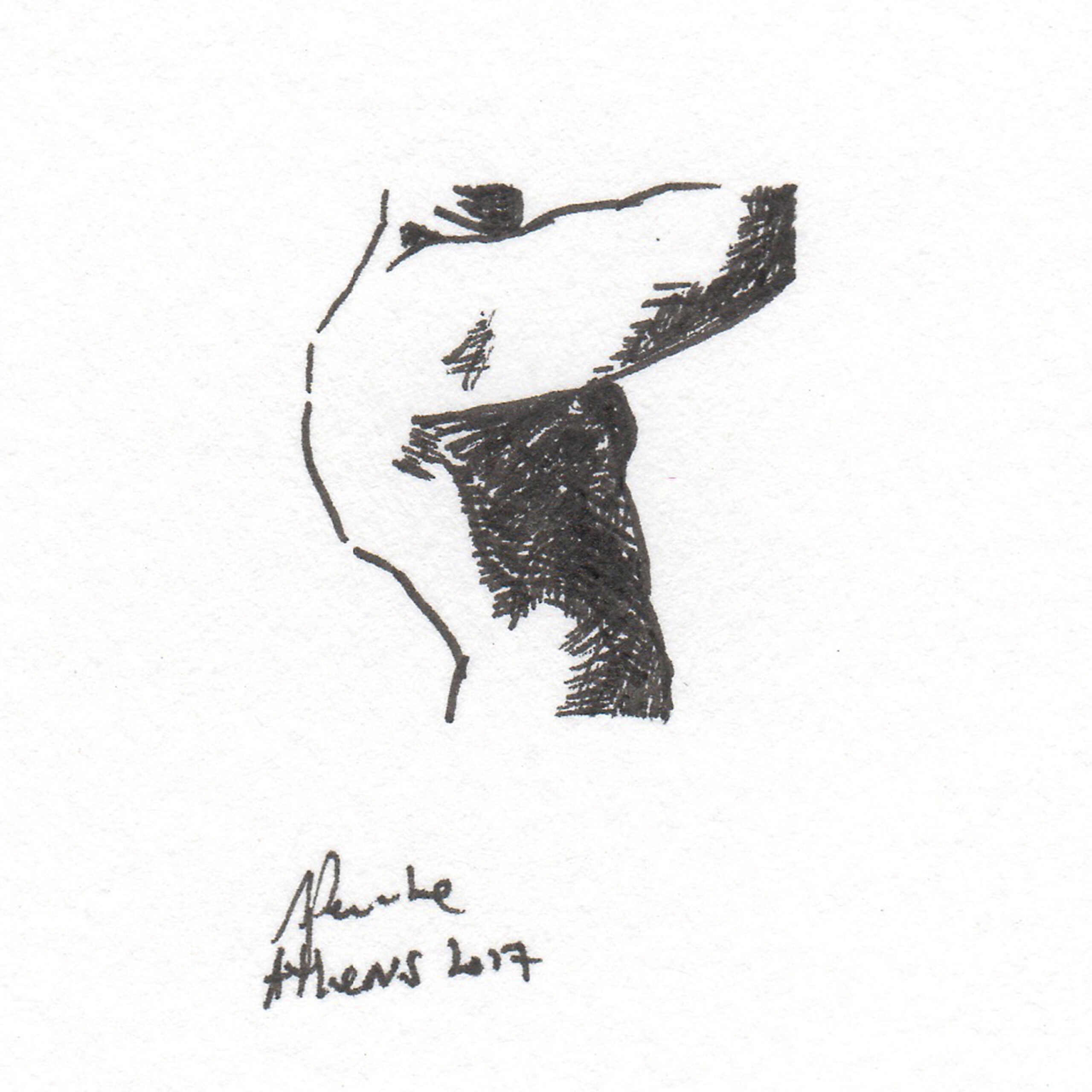
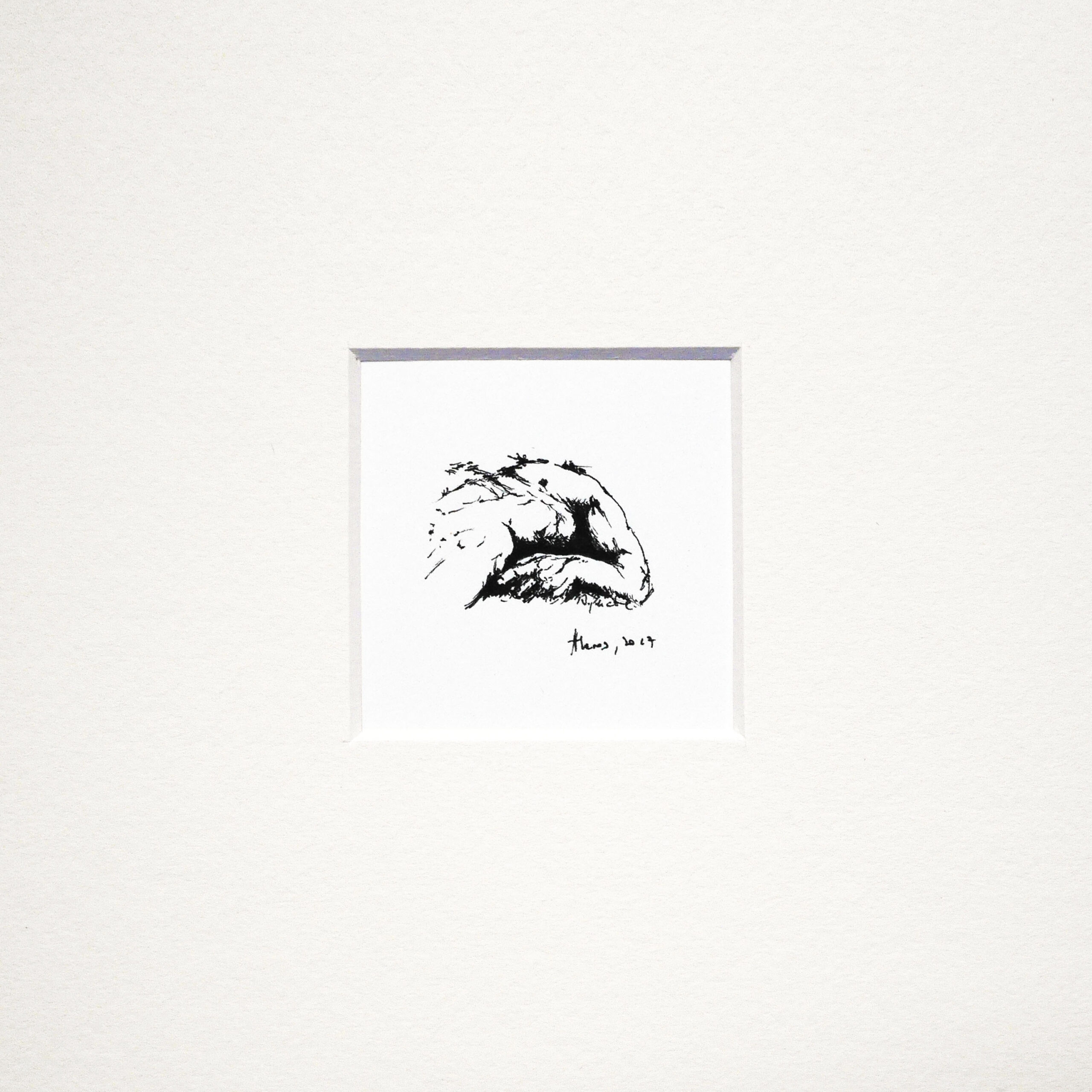
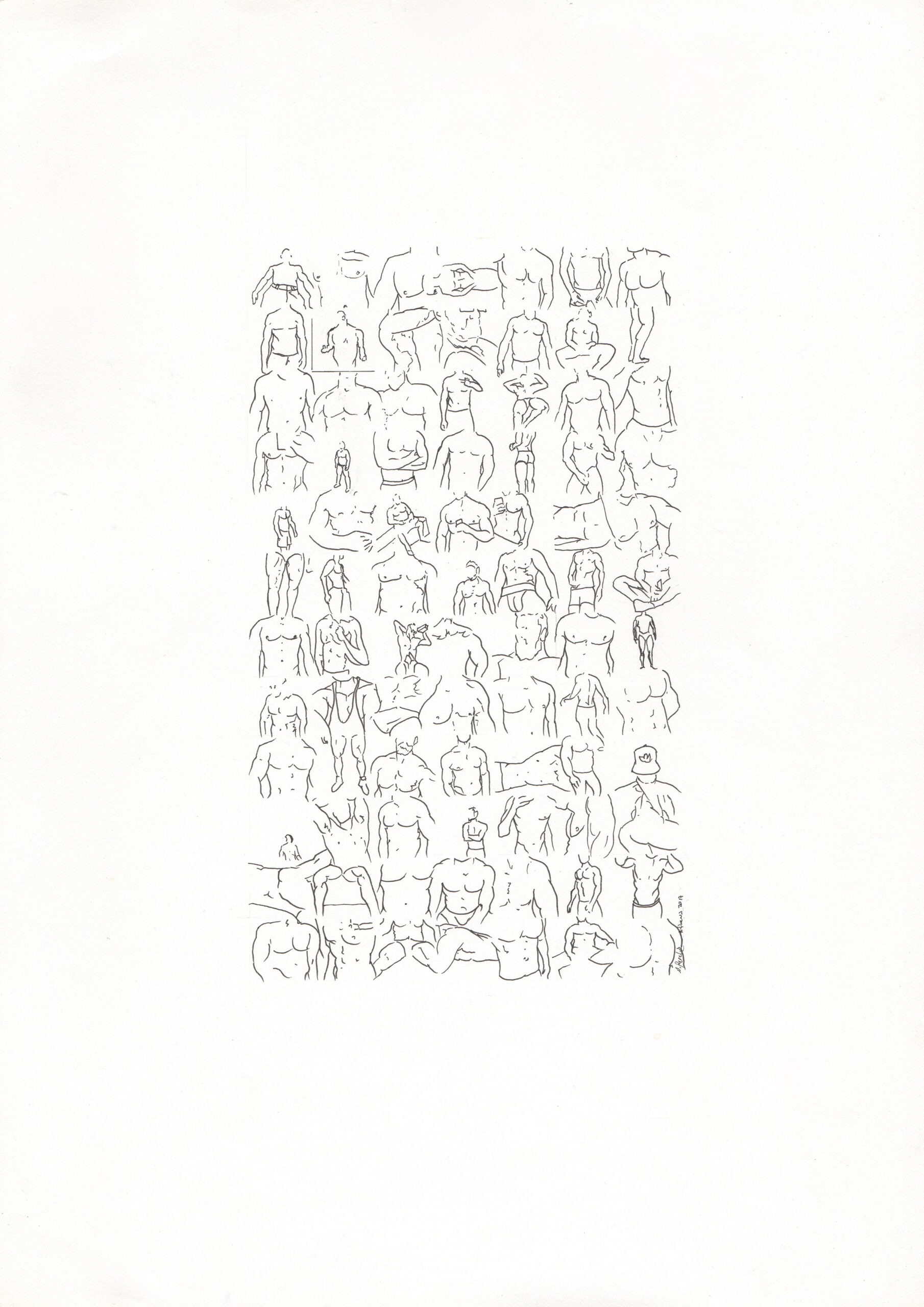
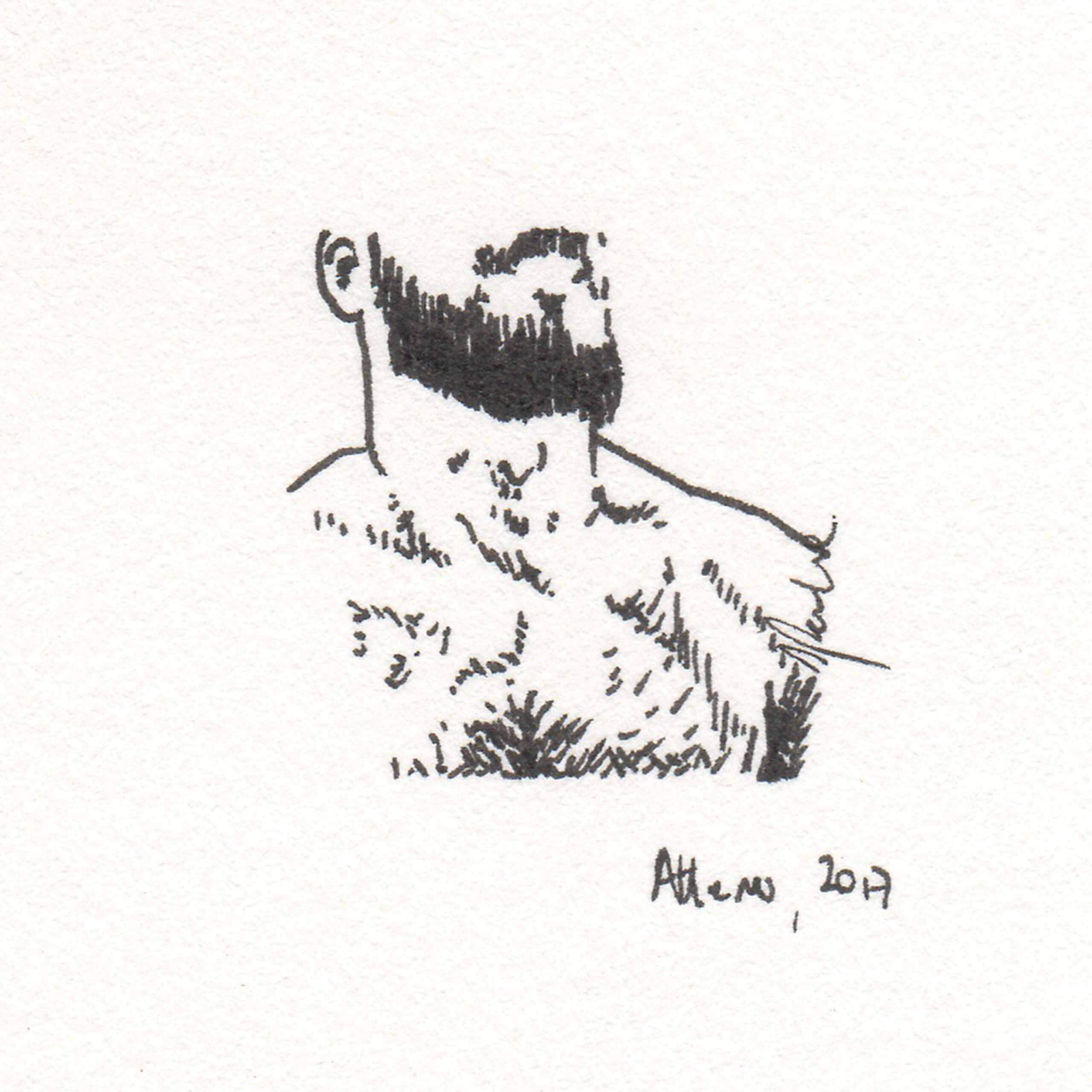
“We love the real body, fragile and vulnerable, and not the ideal and tyrannical body of the norm.
We know almost nothing about the living body.
We must therefore love it where it expresses itself: in its trembling fragility.
Paul B. Preciado, 2020
sam·e
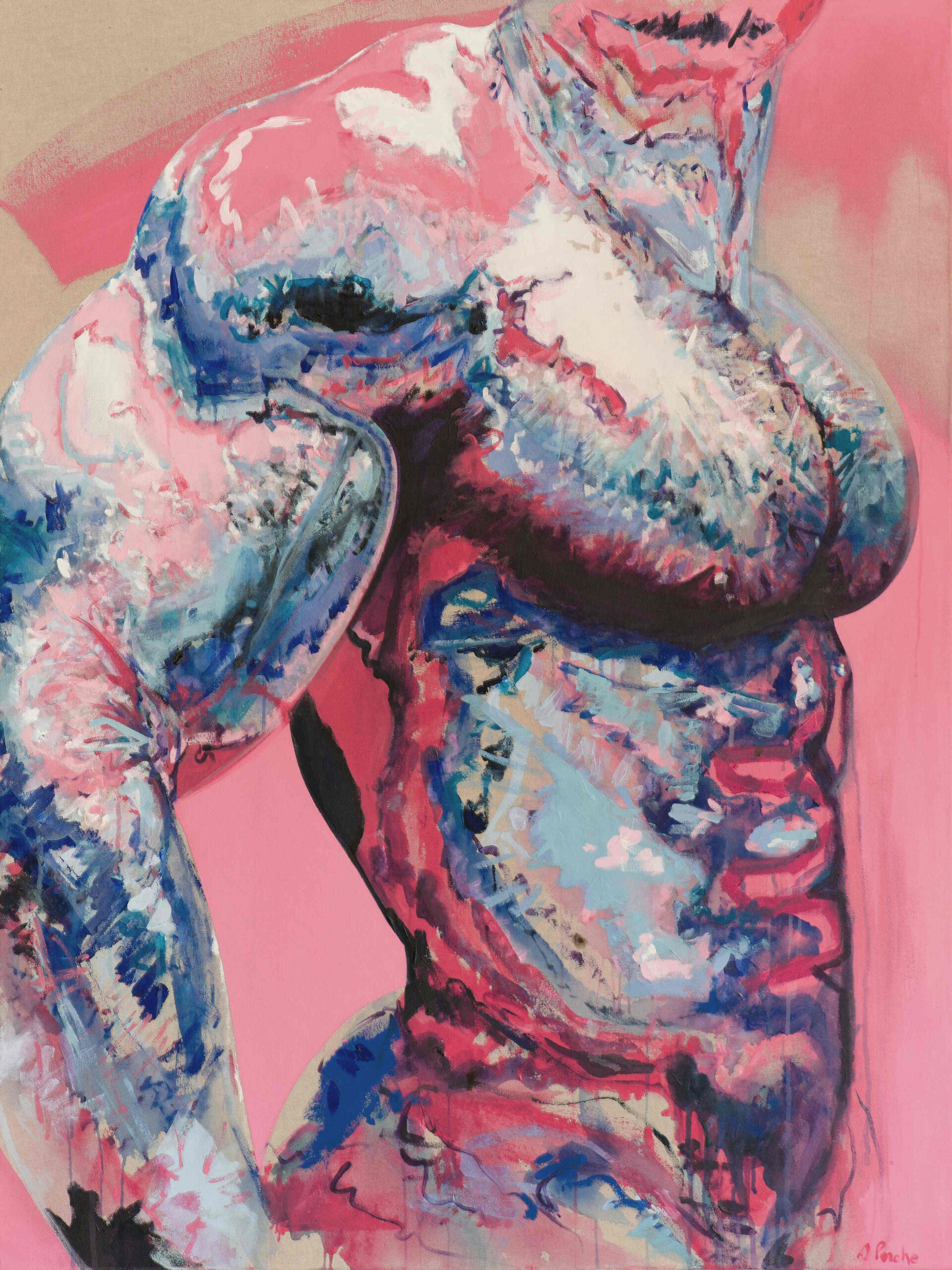
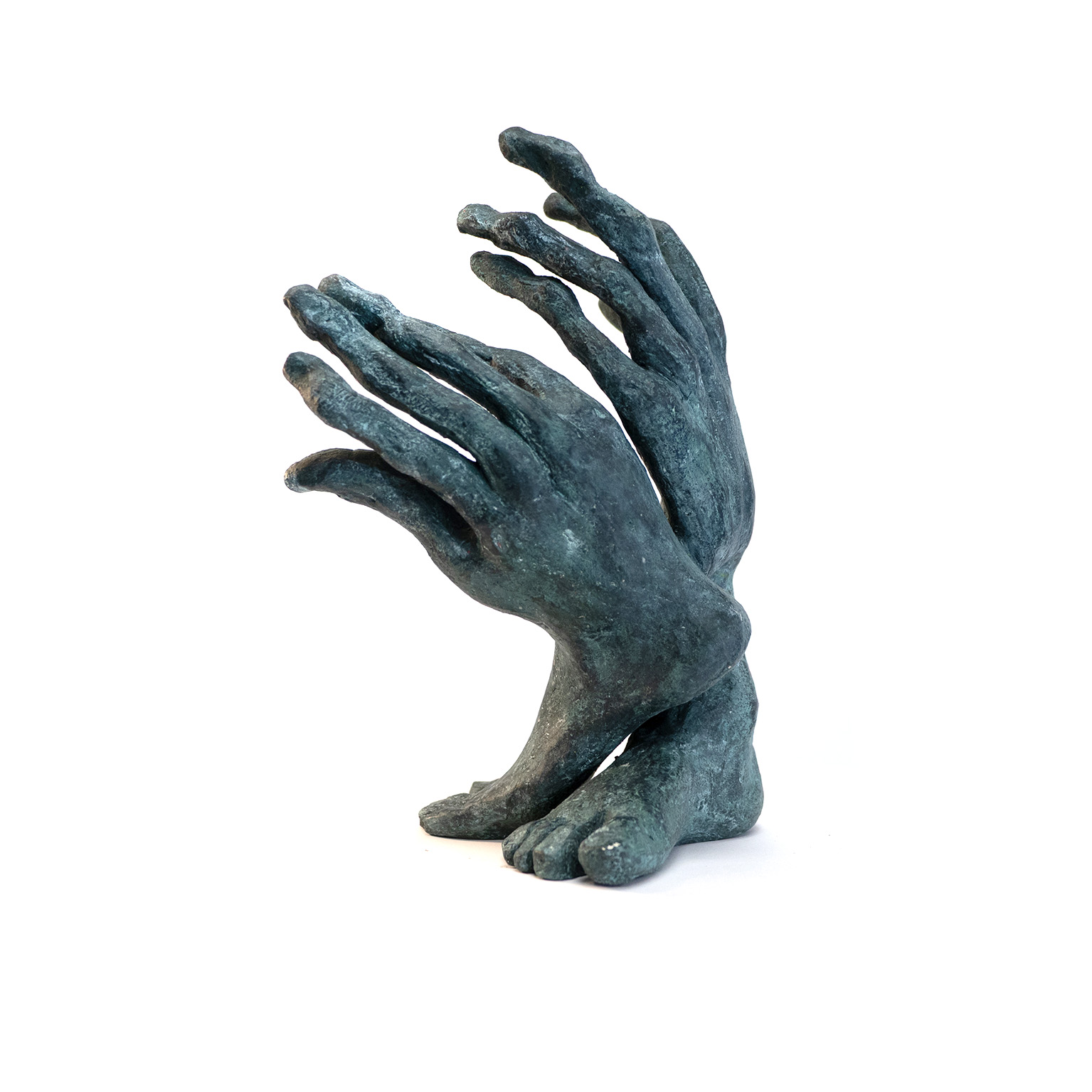
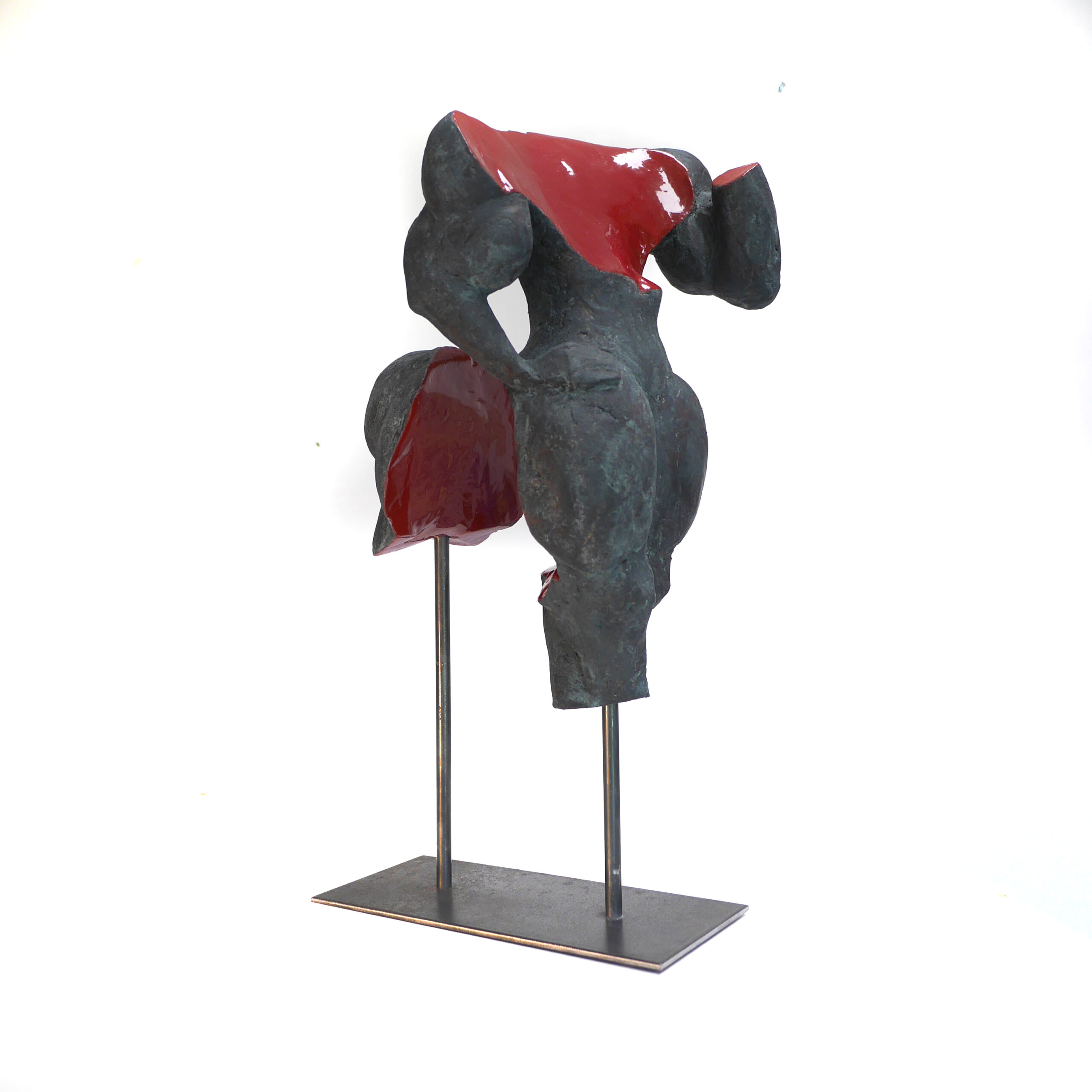
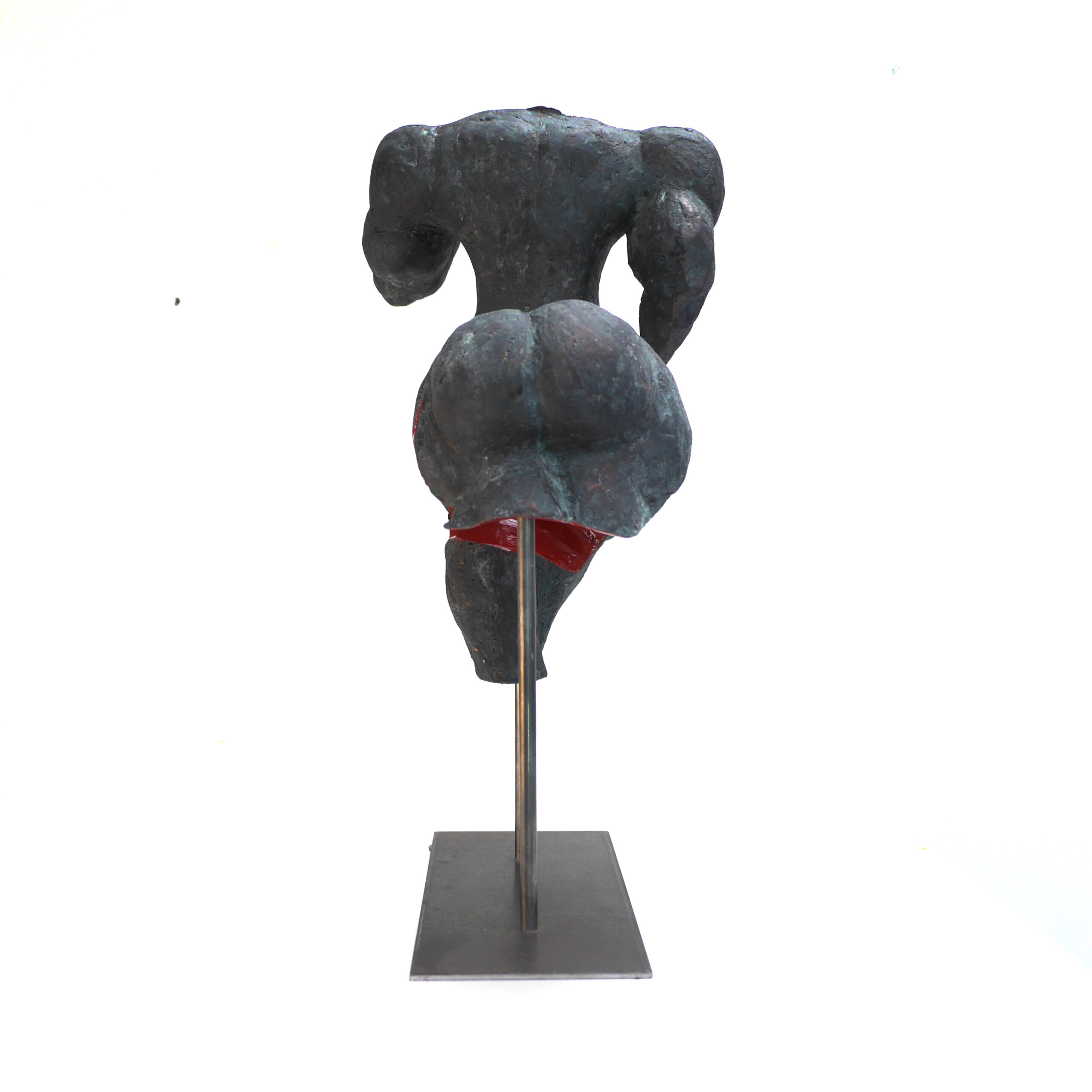
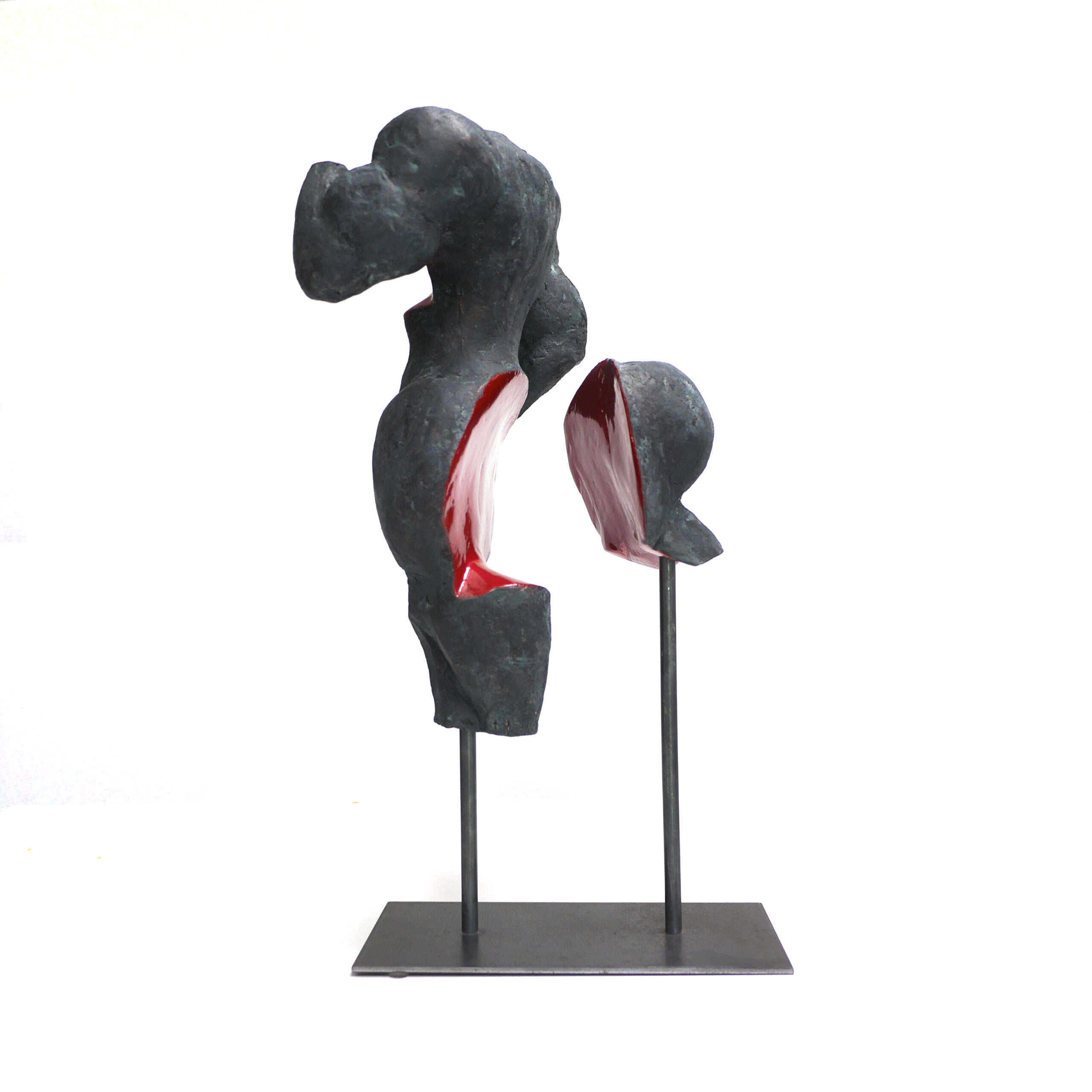
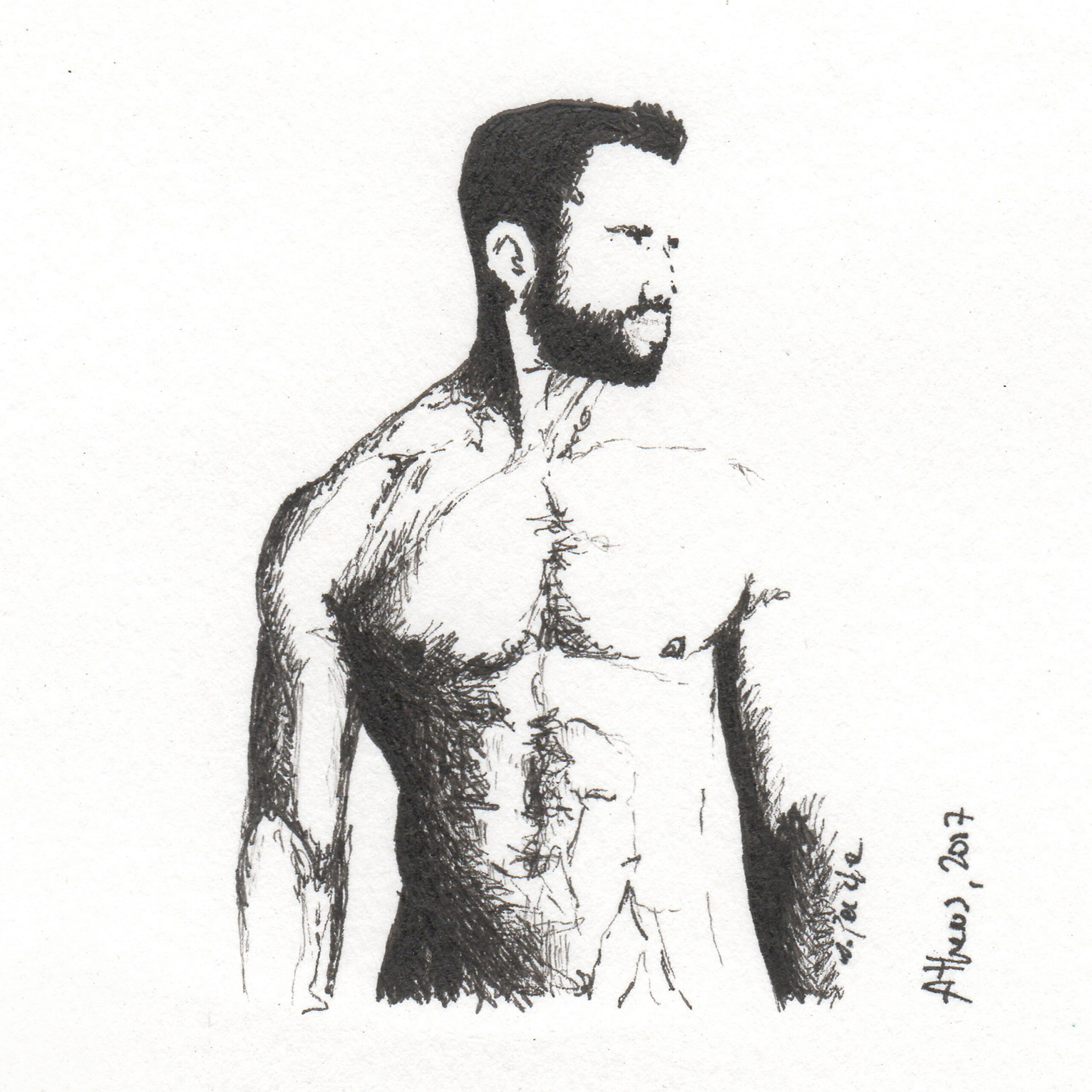
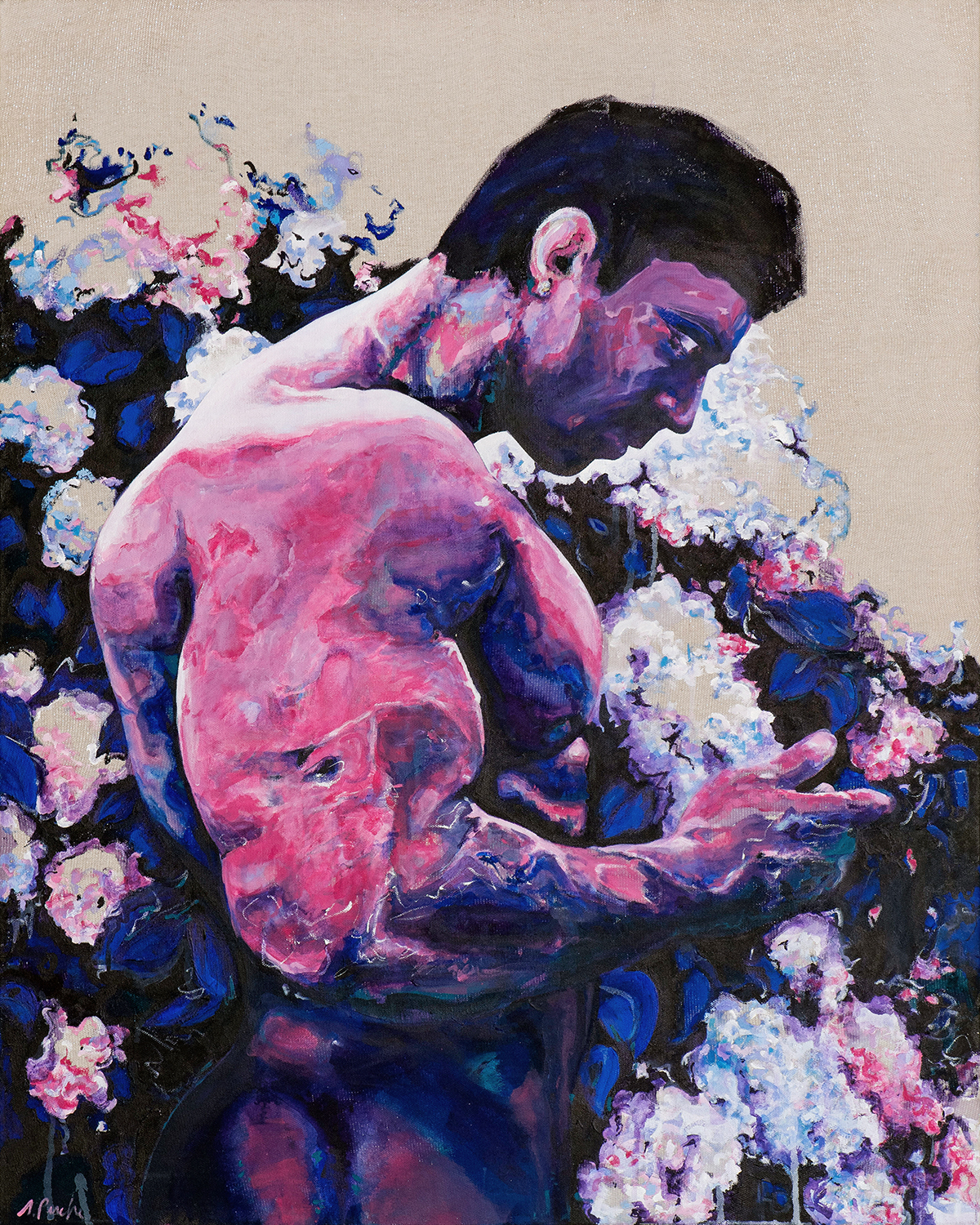
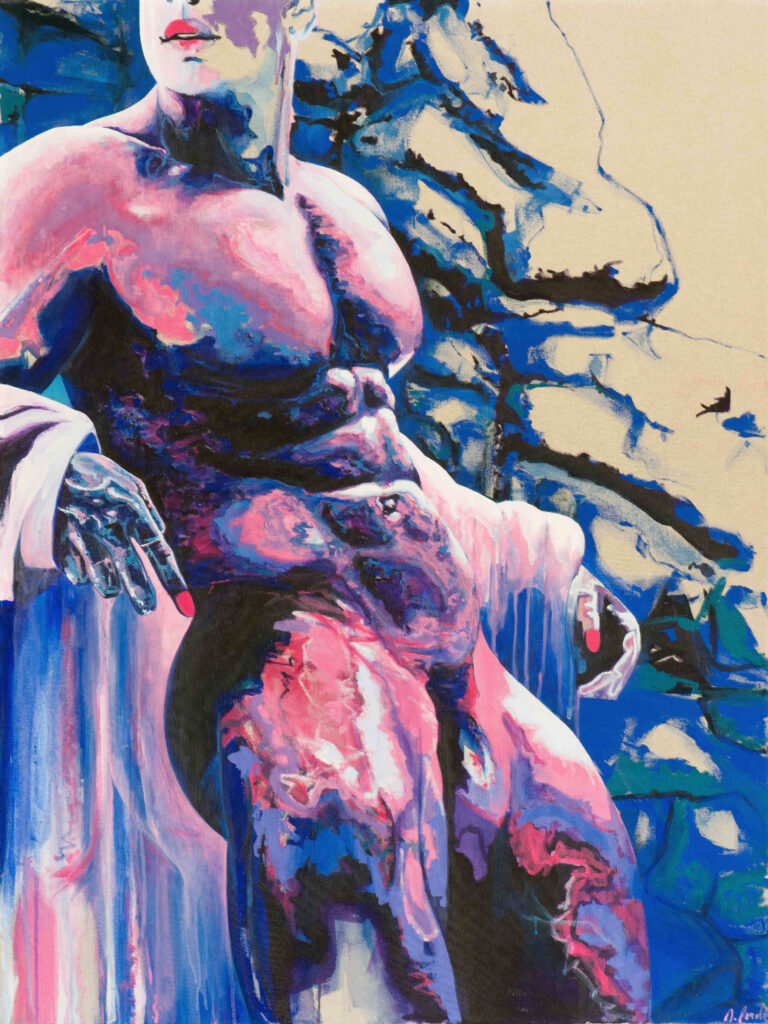
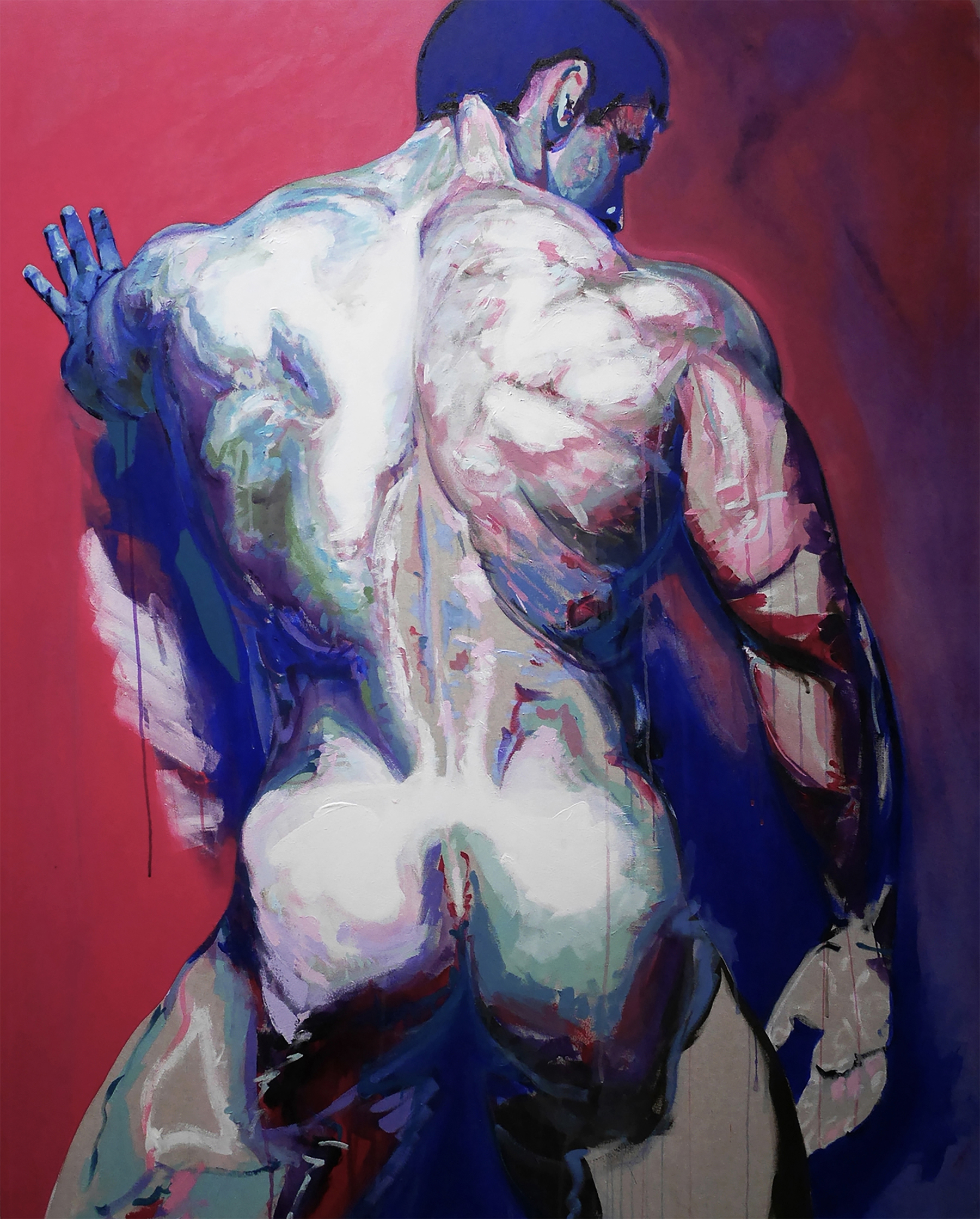
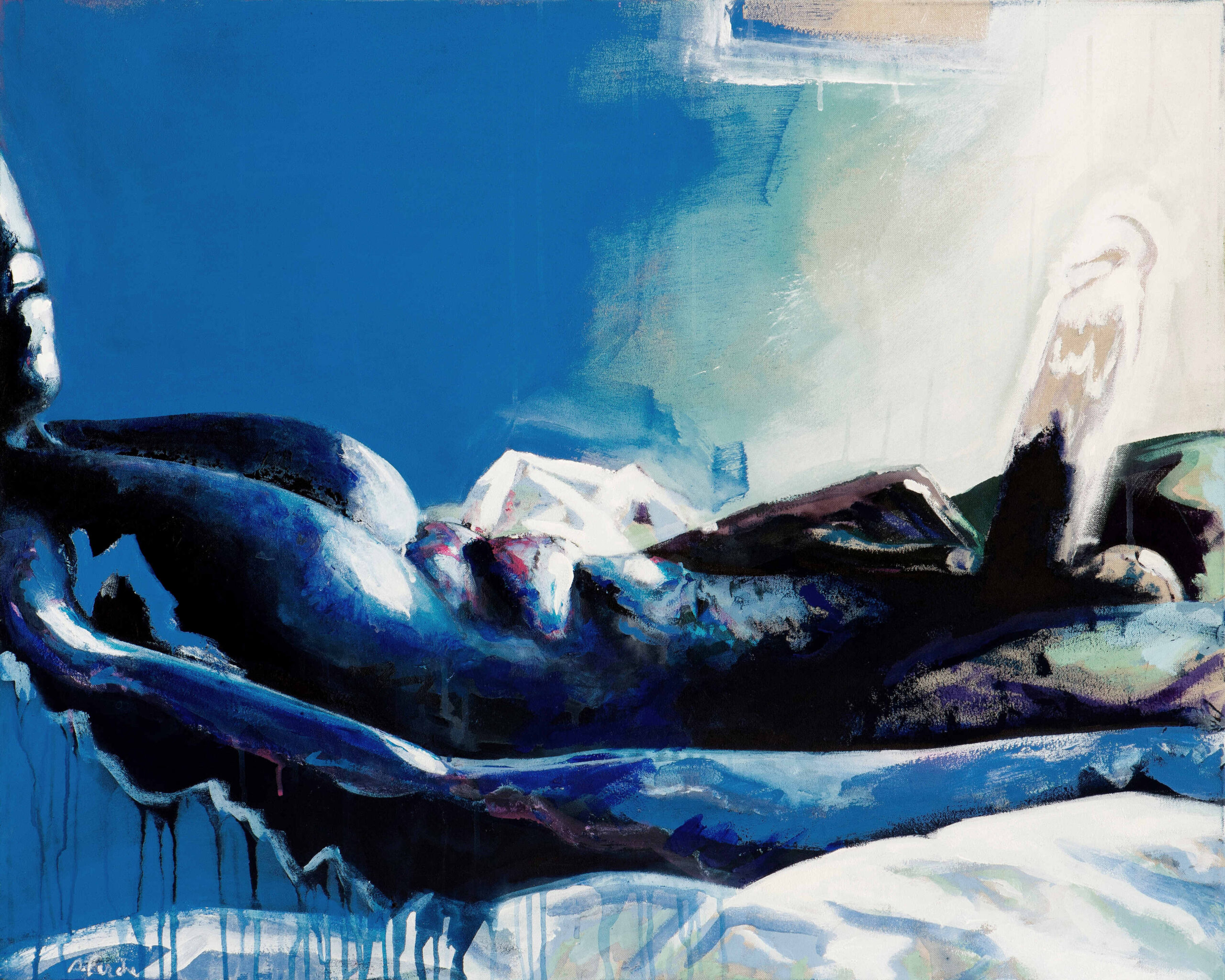
Through a queer practice of sculpture and painting,
Samuel Perche seeks to deconstruct heroic virility
and to politically question bodies and their representations.
They now sign under the pseudonym of sam·e
“Shifting masculinity from the register of domination to that of sensitivity: my work engages the body as a site of conflict, memory, and resistance. By using the codes of virility and monumentality, I seek to disrupt the legibility of a political regime of representation in order to reveal situated, vibrant, and emancipated bodies.”
Gender landscape I. II. III
"Here I am, ready to explain how bodies
have transformed into other bodies."
Ovide, Les Métamorphoses, 8 ap. J.-C
the metamorphs
The Embraces
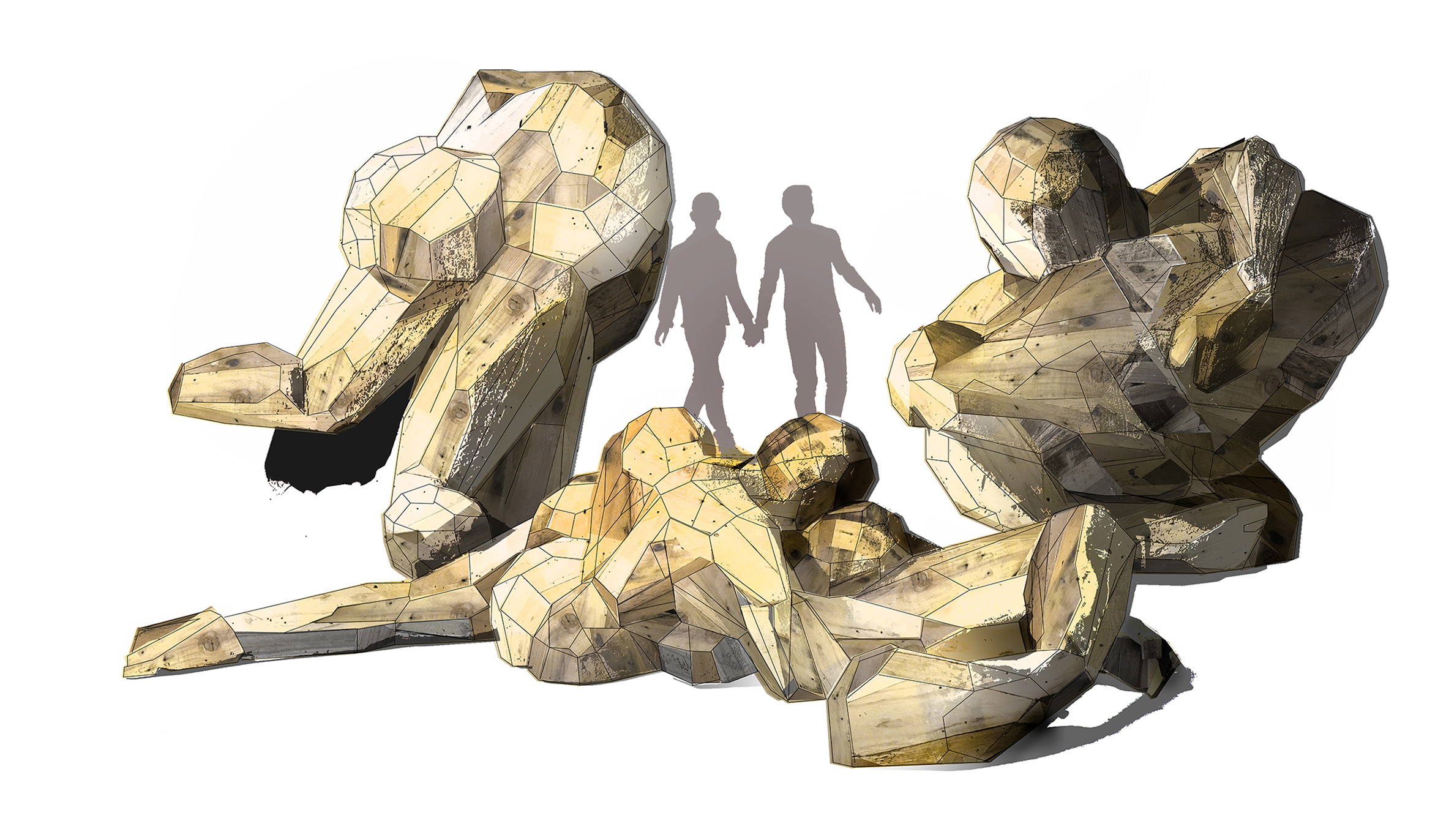
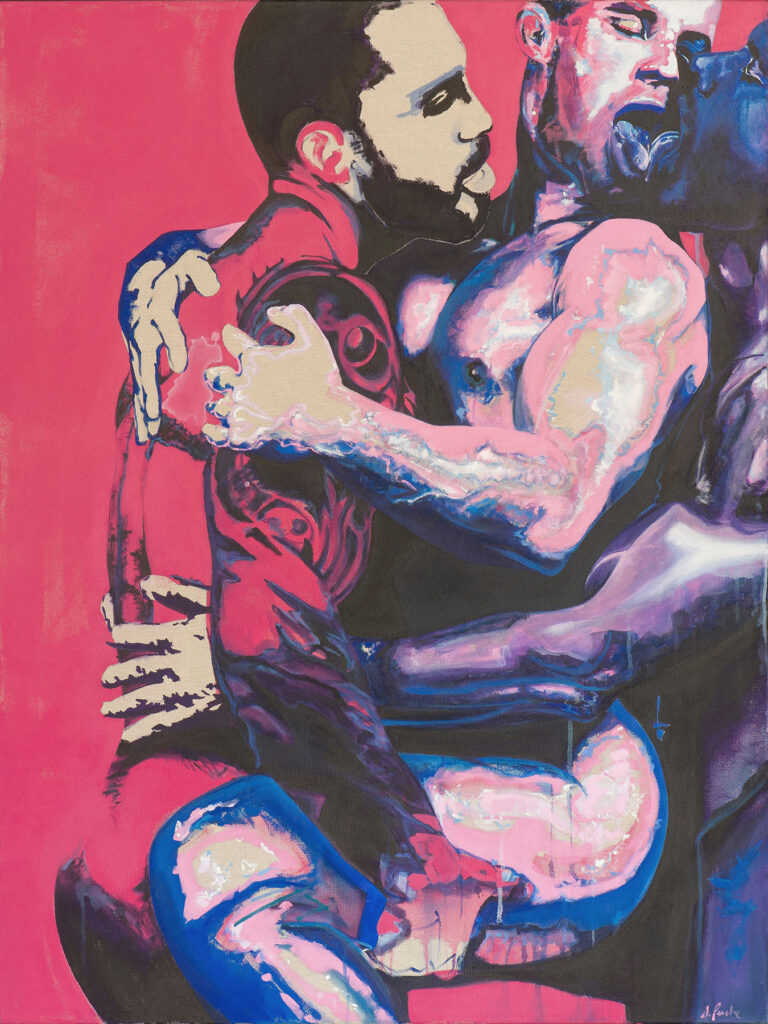
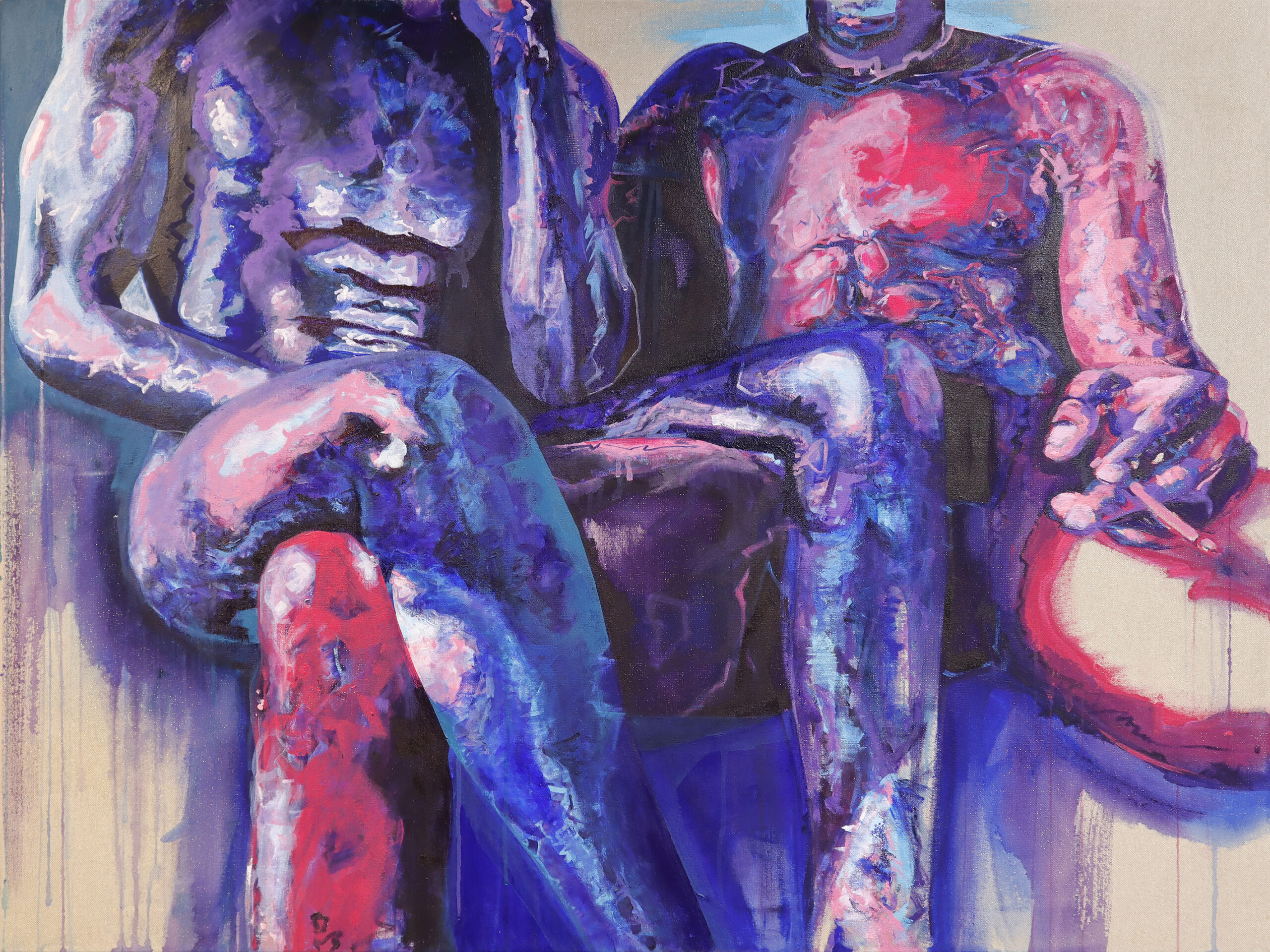
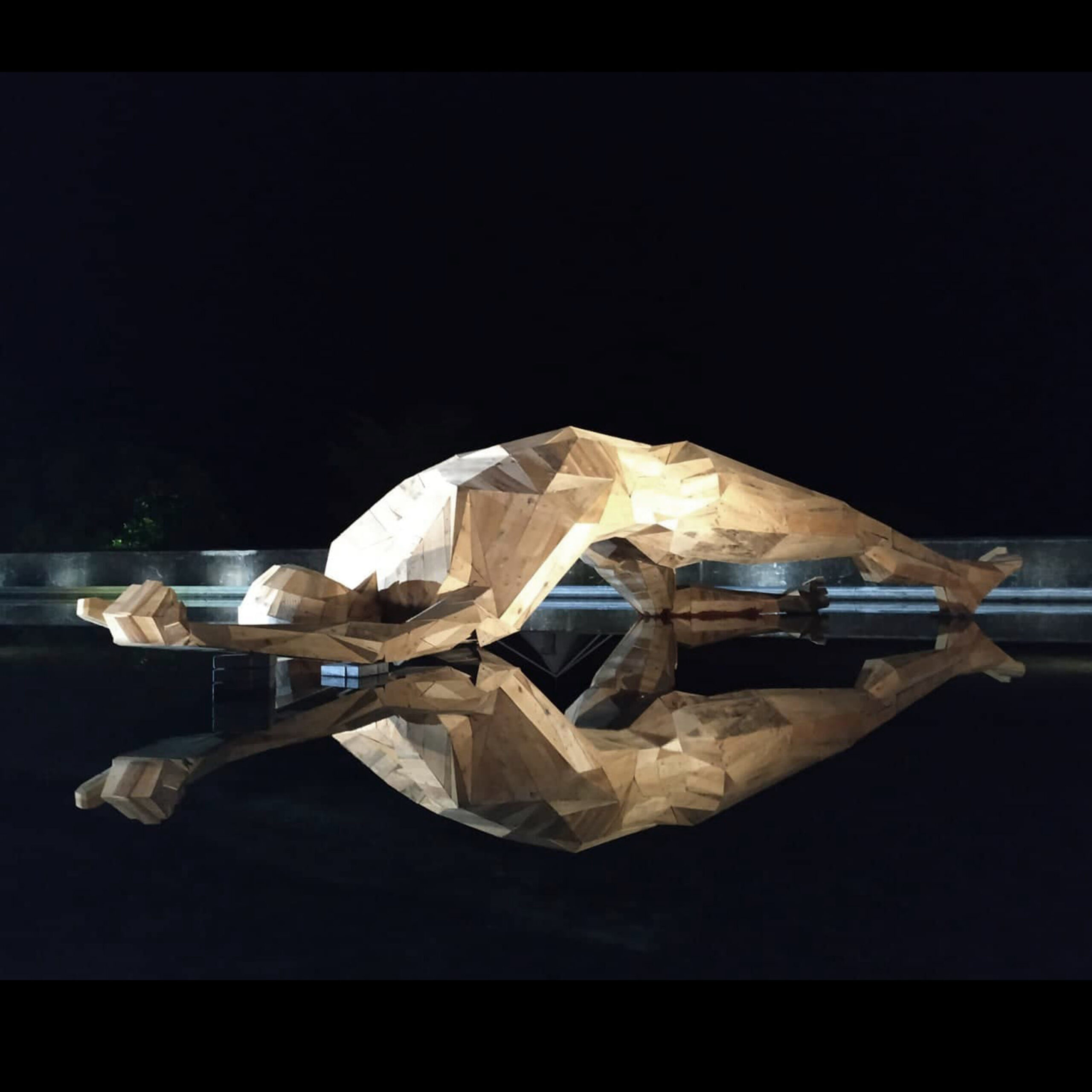
These two entwined bodies, suspended between passion and loss, evoke both the abandonment of love and the Pietà. They remind us that " the personal is political" when it enters the public sphere. The geometric fragmentation breaks with academic gentleness: the figures seem reconstructed, like identities shaped by history. Here, the body is assemblage, a performance of matter and repeated practice. The body, as "living political fiction" appears as a meticulous and deliberate construction.
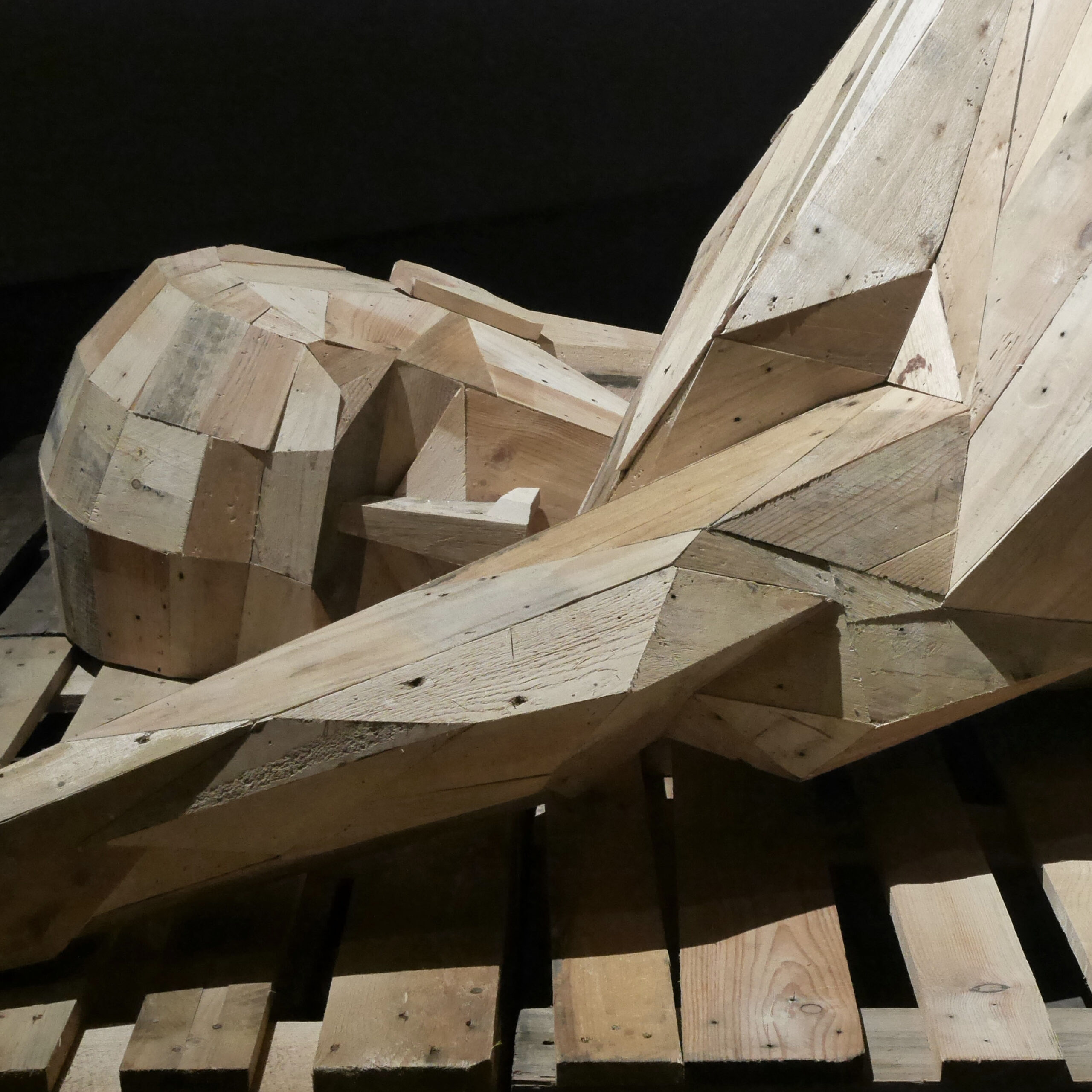
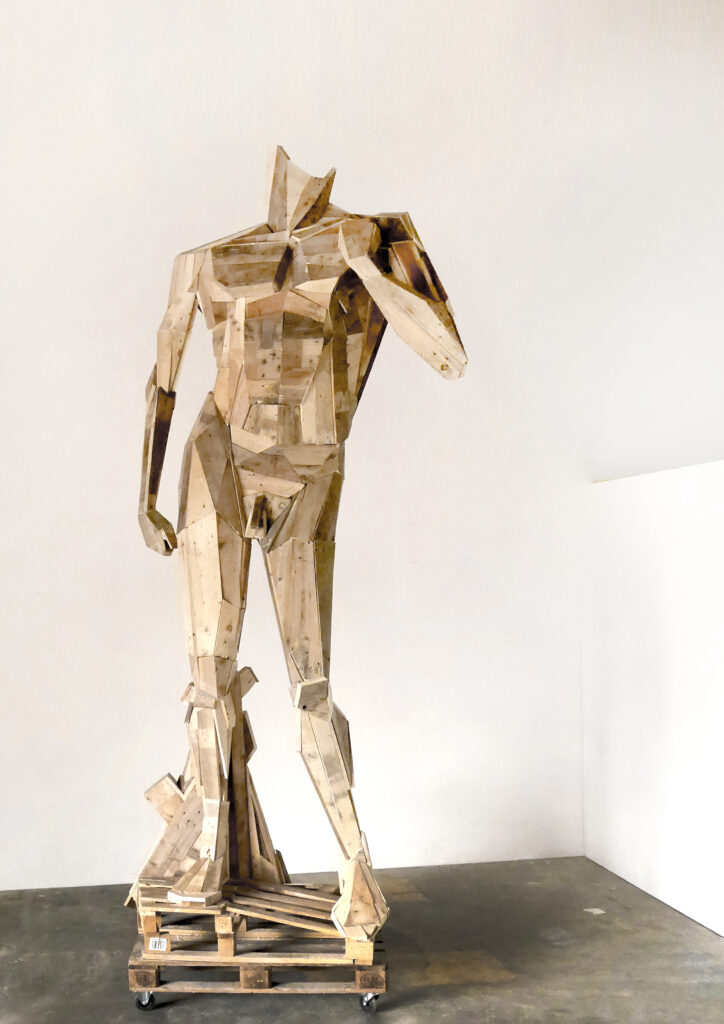
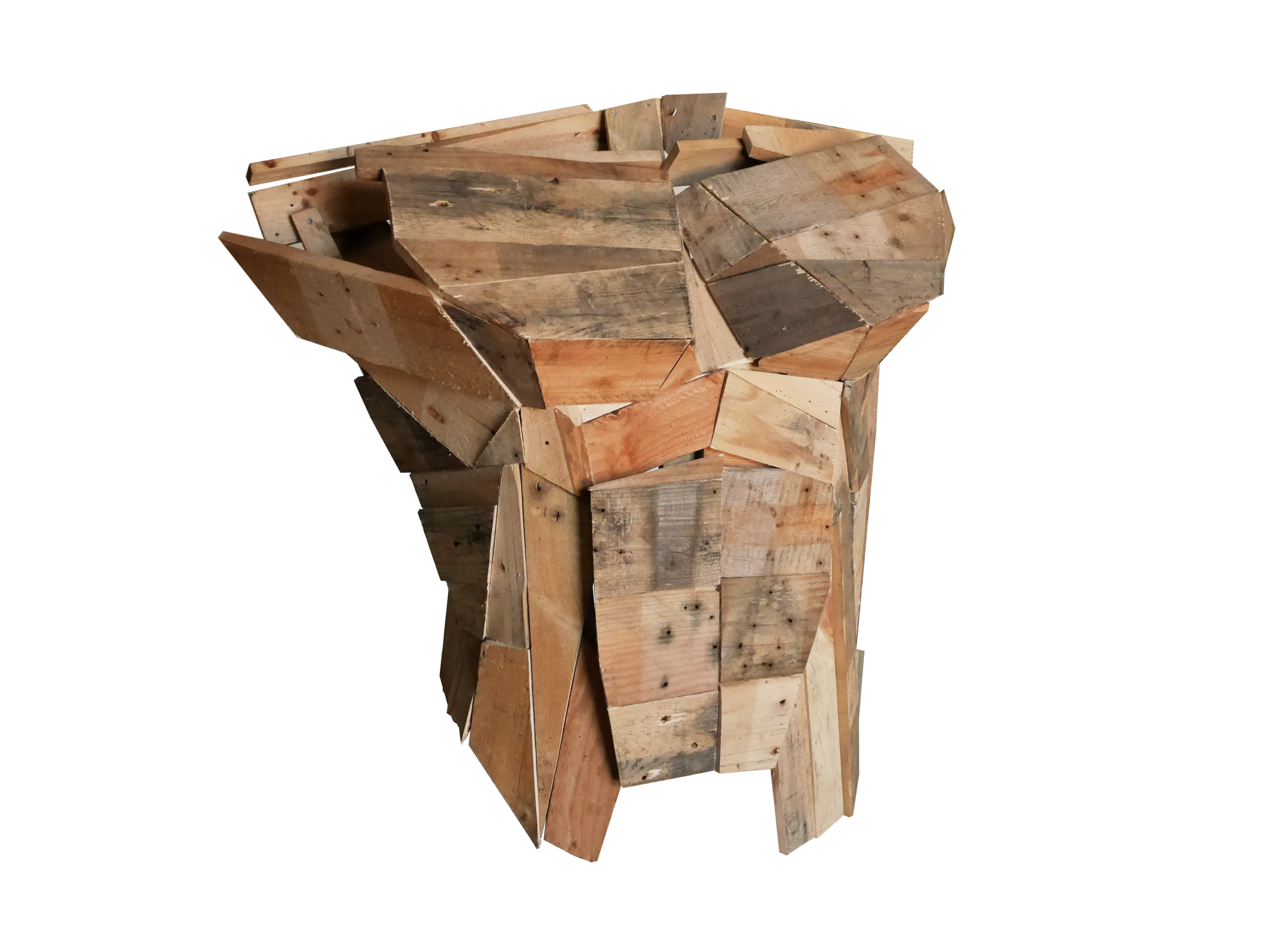
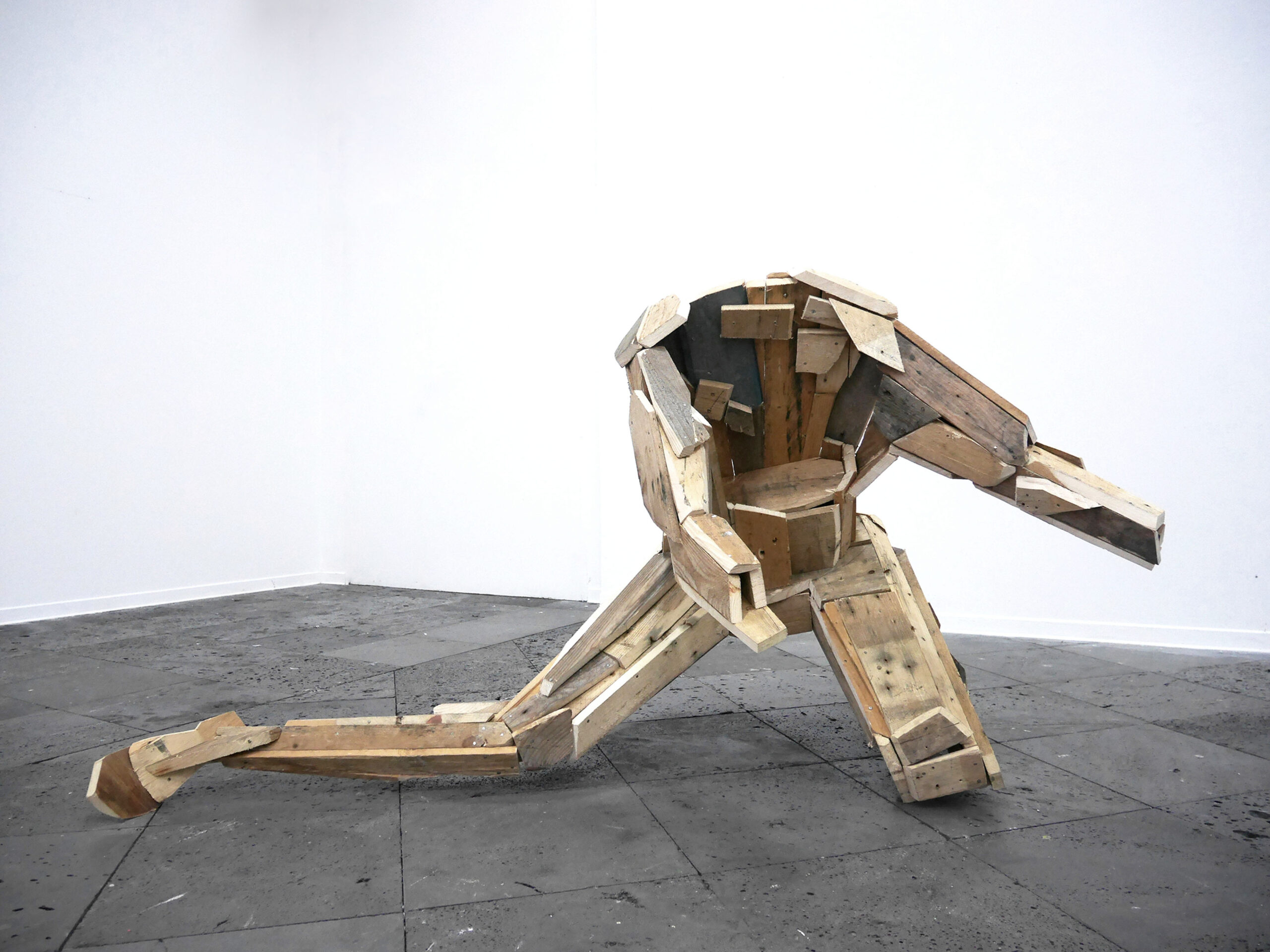
Made from pallet wood, the work transforms waste into flesh and turns precariousness into a symbolic strength.
The Embraces elevate queer love to a monument.
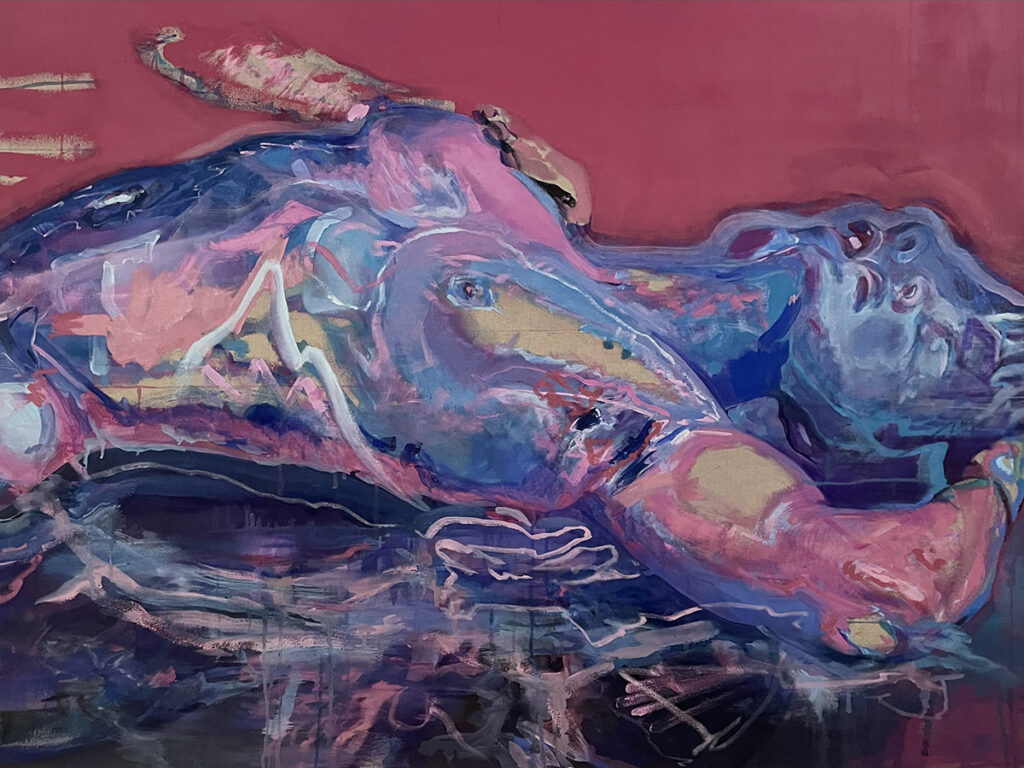
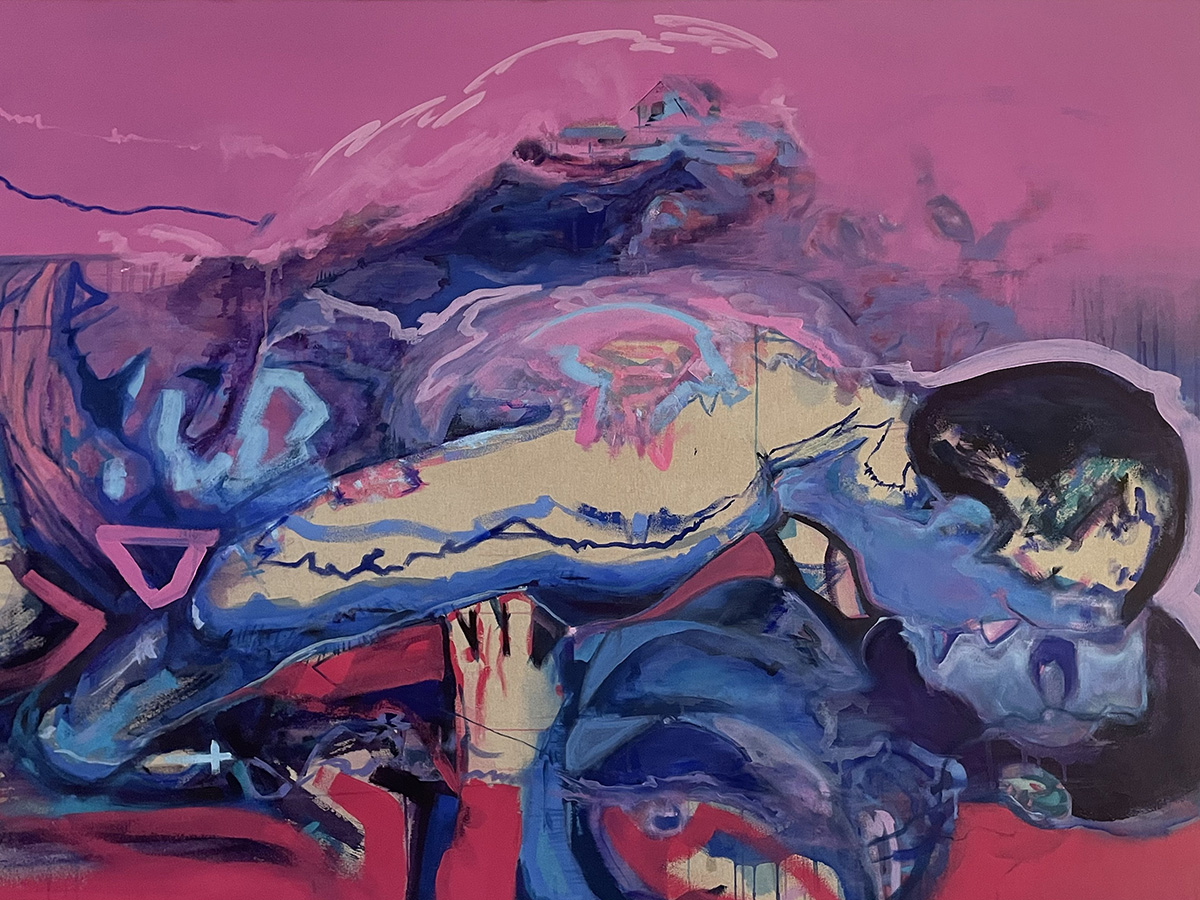
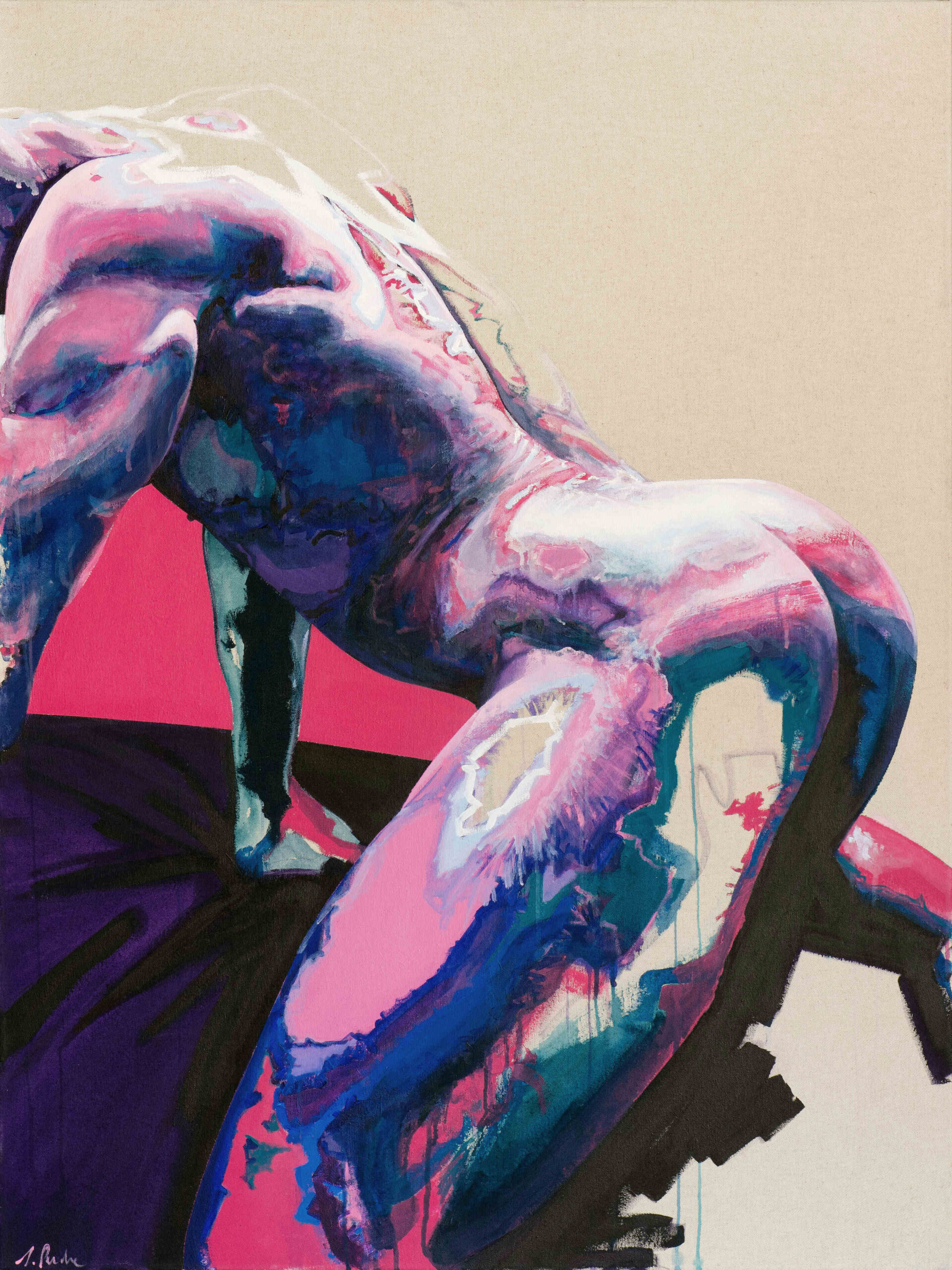
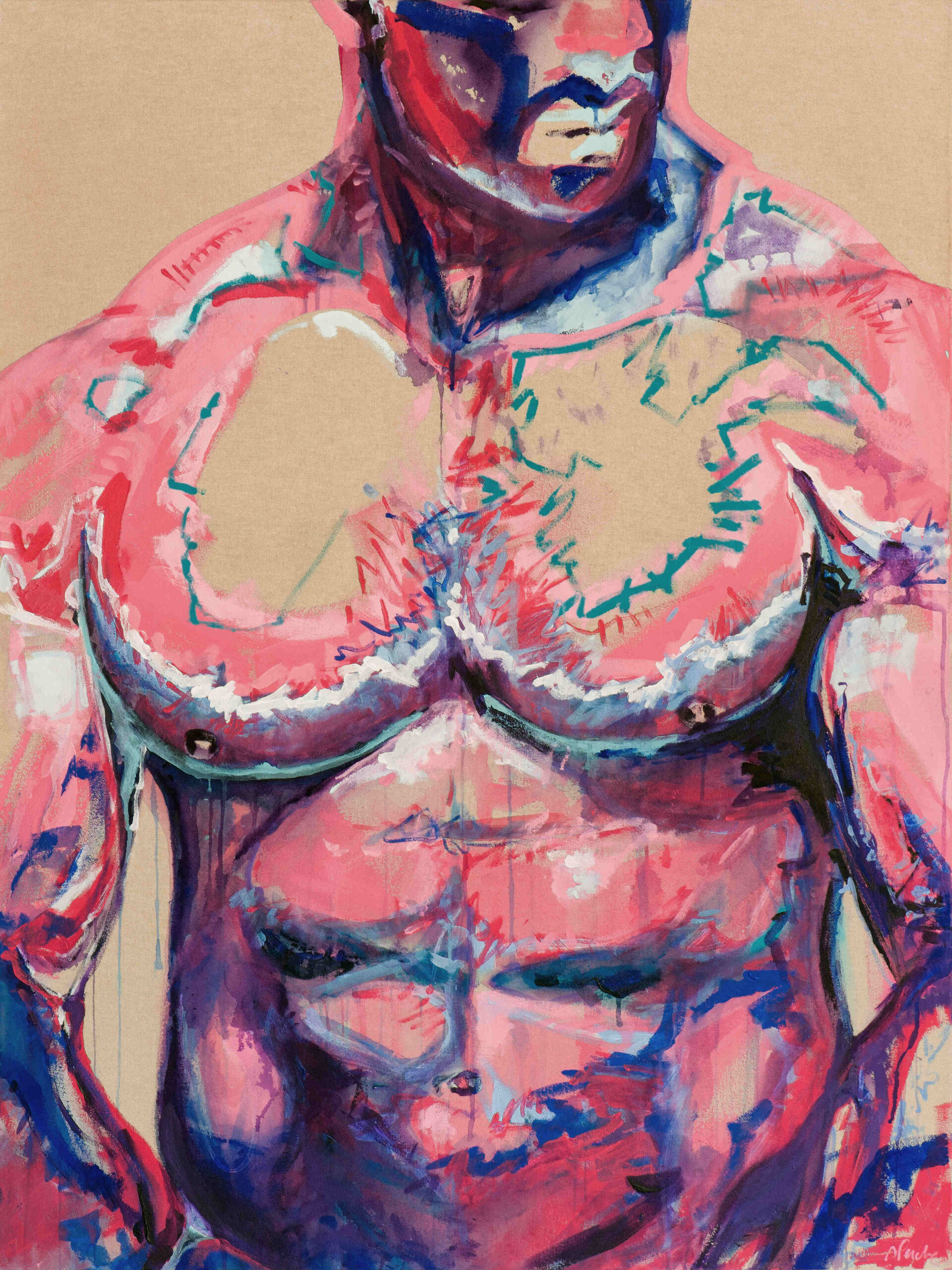
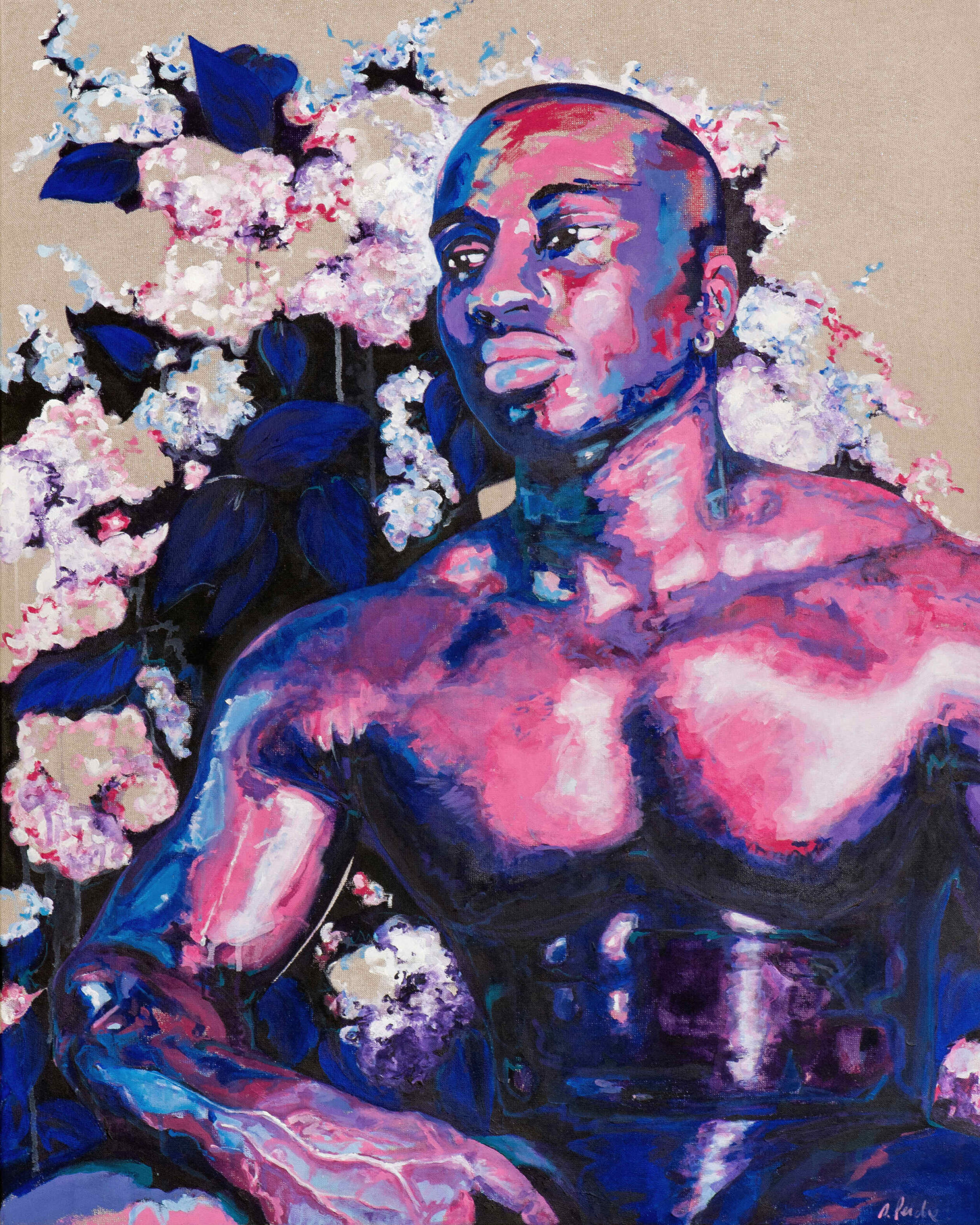
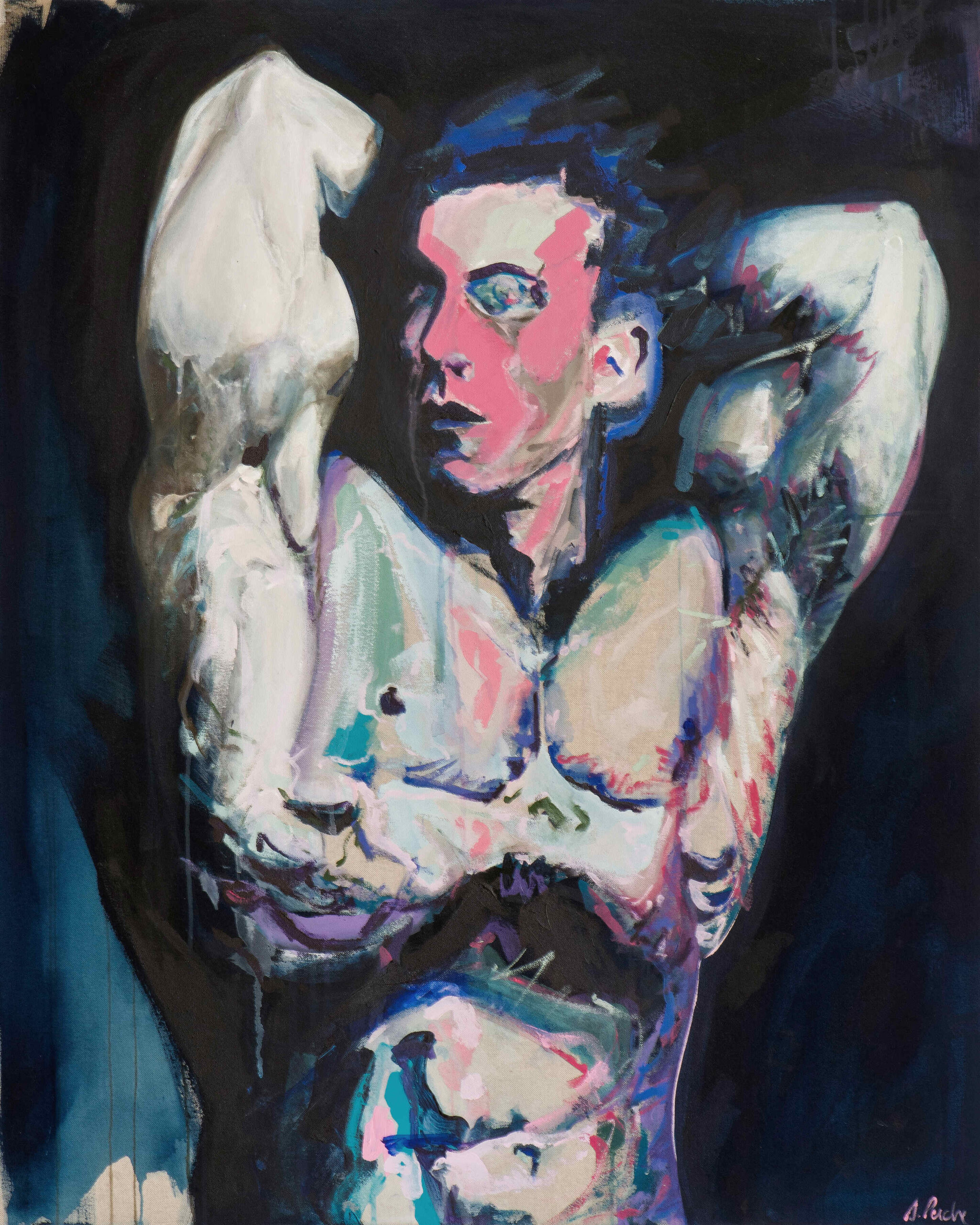
De 2020 à 2025, de l’île de La Réunion jusqu’à la Bretagne, la série NO·MAN·MEN explores a morphology of masculinity and challenges the myth of the triumphant and conquering male. At the boundary of fantasy, reality, aesthetics, and politics, the paintings are conceived as sculptures or flawed images, derived from failed photographs, intimate visual fragments, sometimes hidden on a phone screen: marginal images circulating outside the dominant frameworks of legitimation.
Ali
Sculpting the unspeakable
Aude-Emmanuelle Hoareau, 2017 Philosophe (1978-2017)
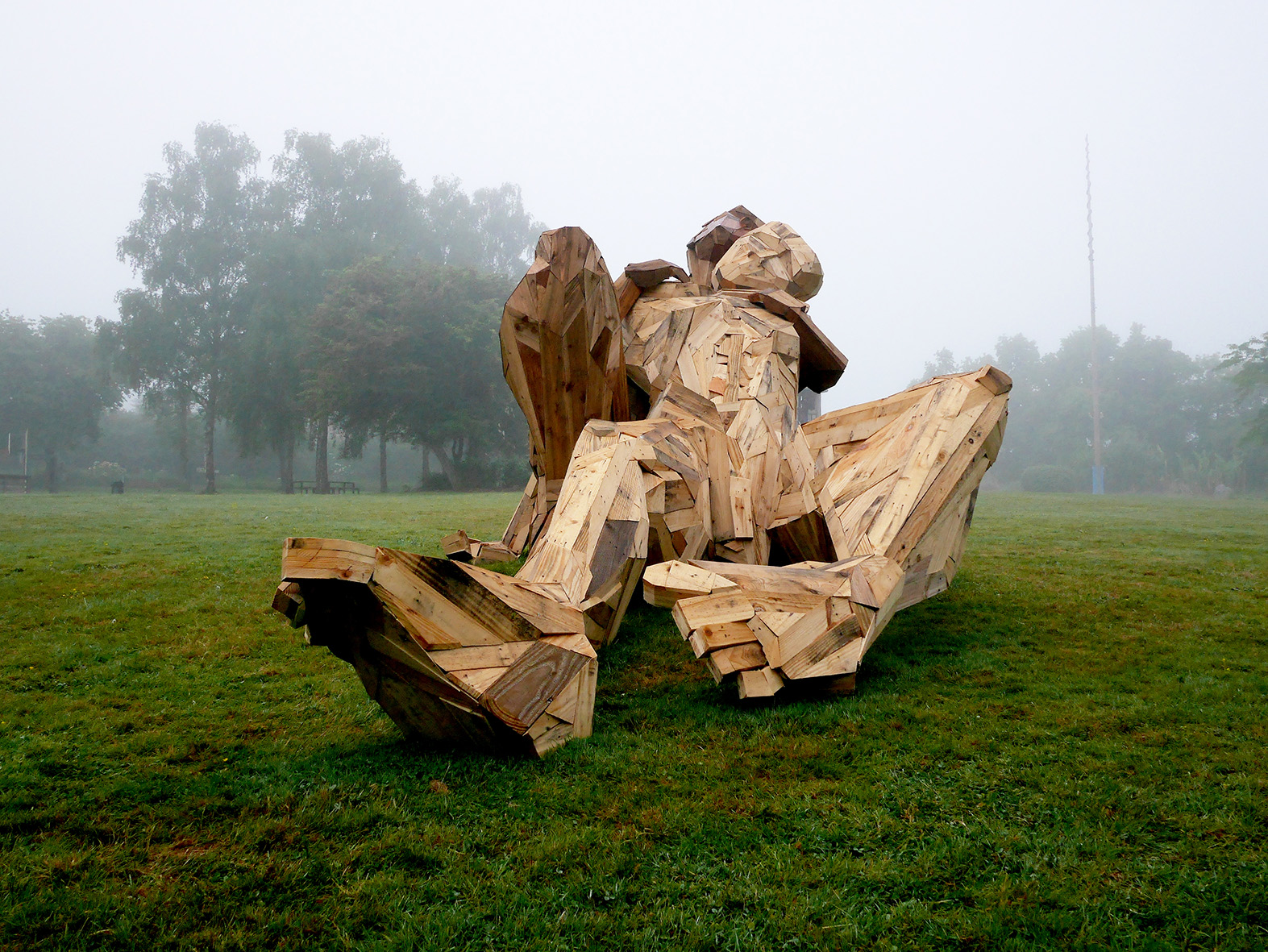
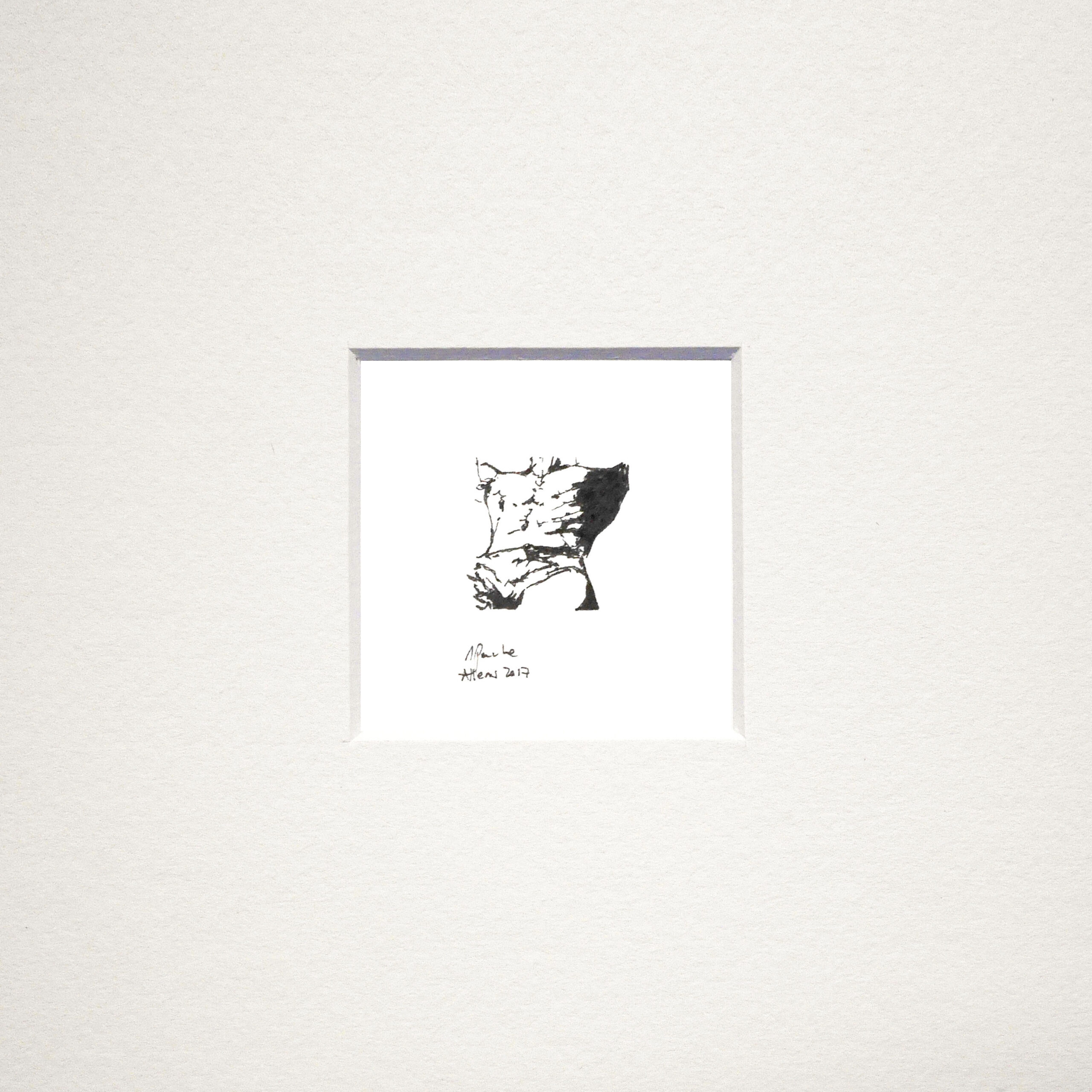
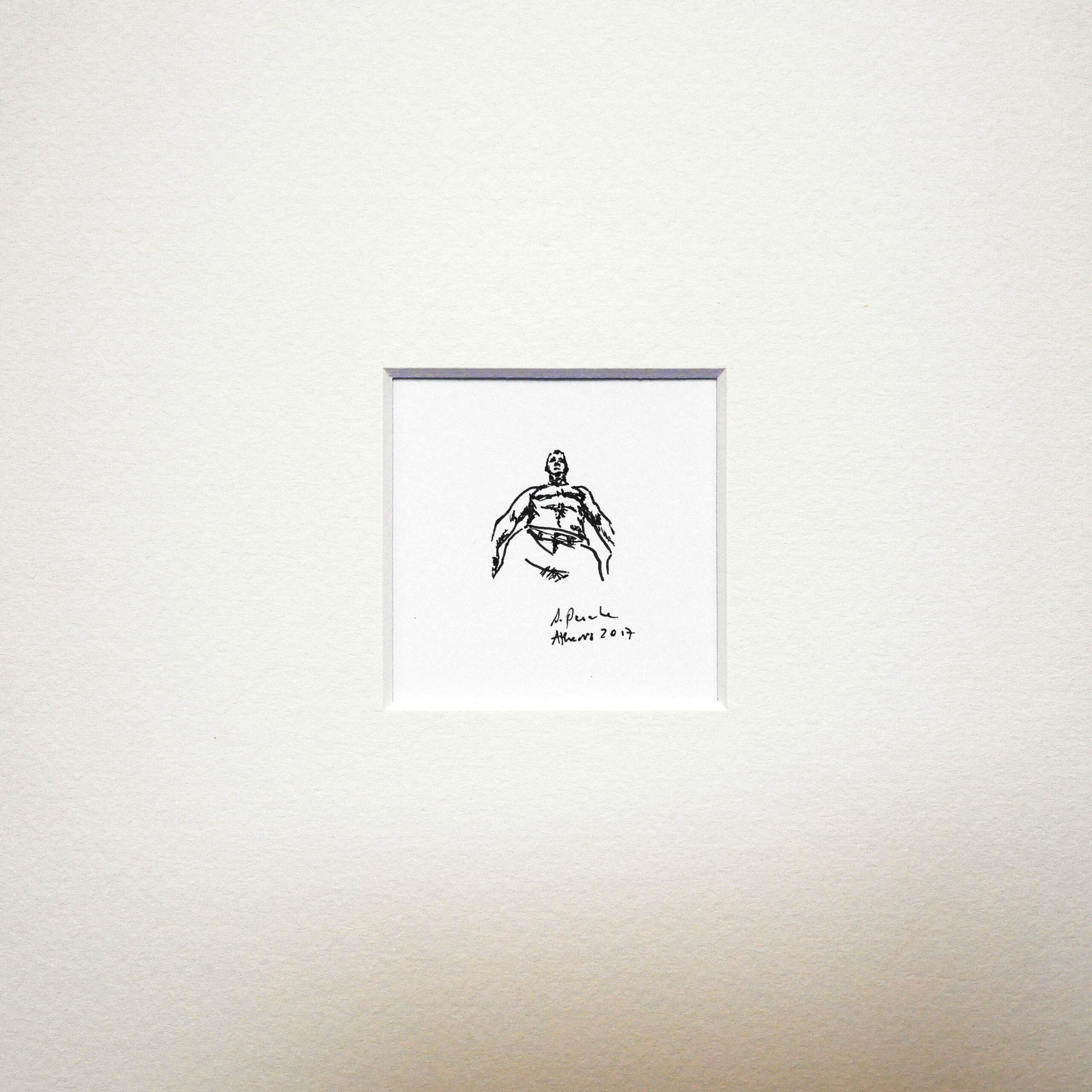
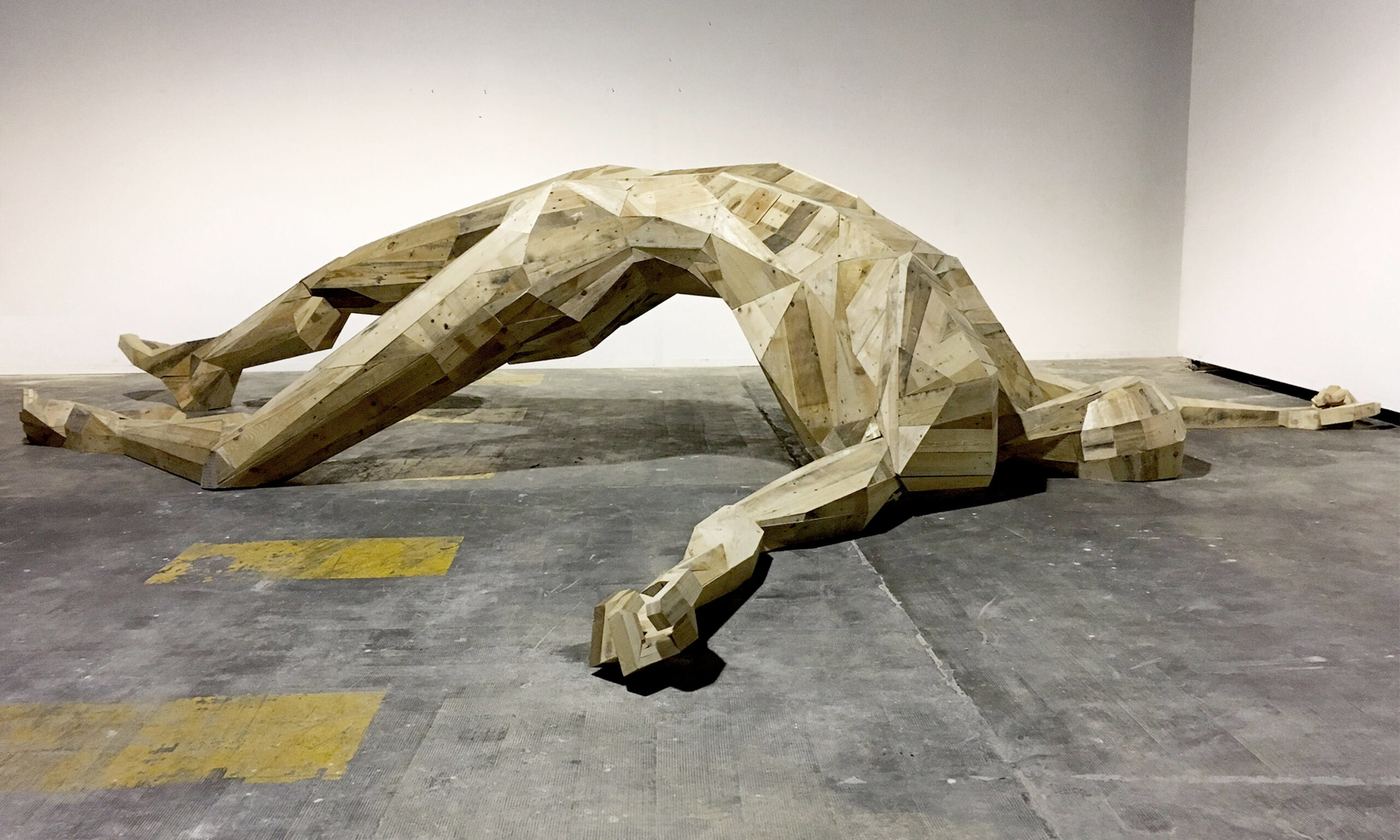
How do you tell a tragic, complex story in a single figure? How do you contain the power of desire and the fabric of a human life in matter? Samuel Perche responds to these challenges with a sculpture that presents a man lying on his back, leg bent, inspired by a photograph of a migrant who died at sea, taken by Aris Messinis.
For philosopher Giorgio Agamben, the legendary Greek statues that break their shackles to begin moving break a “ligatio”, a paralyzing power that is at work in every image. They give back to the image the freedom of gesture. As here, the image is that of a movement of the whole body, which arches its back and offers itself to the infinity of the sky, between ecstasy and imminent, almost certain or already-occurred death. We are dealing with a gesture in the broadest sense of the word, with the intention of a movement that cannot be enclosed. The wooden man is too large to be entirely consumed by the sculptor's creative appetite or devoured by the public eye. With its scale and ancient inspiration, it leads us to look beyond, to Greek myths, towards an epic destiny with which today's refugees merge, taking to the sea to fulfill their destiny and often ending up as martyrs of the waves.